

Turn recordings into transcripts and summaries in minutes
Upload audio or video for multilingual transcription, AI notes, and action items
2026 Comparison of 4 Xiaomi Audio-to-Text Solutions: Built-in vs. AI Tools
The meeting is over. Now what?
The meeting ends, and you have a 47-minute recording on your phone. You open Xiaomi's built-in recorder, select the file, tap "Transcribe," and seconds later, text appears.
Then you stare at that long block of text—no paragraphs, no speaker labels, no conclusions—and wonder where to start organizing.
This is a common reaction after using a phone's built-in transcription. It works for short meetings and quick notes, but it falls short for a formal meeting.
Another scenario is even more common: online meetings. The other party speaks quickly on Zoom, you type rapidly at your computer, and by the end, you only remember "something about the budget."
If you've experienced either situation, this article is for you.
Before Choosing an Audio-to-Text Solution, Understand These 4 Key Points
1. Does it give you a transcript or usable data?
A transcript is just raw material. What you need is: What were the meeting's conclusions? Who will do what? By when? When choosing a tool, look for summaries, chapters, and action item extraction—not just transcription accuracy.
2. How does the meeting audio get in?
For online meetings, there are three approaches: send a meeting bot to join, use desktop software to capture system audio directly, or upload the recording afterward. Bots are the easiest, but having a "recording bot" in the meeting room can sometimes make clients uncomfortable. Capturing system audio with desktop software doesn't add extra participants.
3. Does it understand Chinese and mixed Chinese-English?
Meetings in Taiwan are rarely pure Chinese; they often mix in KPI, roadmap, spec. "Supports Chinese" isn't enough—you need to see how it handles sentence segmentation and proper nouns when Chinese and English are mixed.
4. Where does the data end up?
Recordings that stay only on your phone are lost when you switch devices. If meeting content becomes part of your team's shared memory, consider whether it supports cross-device sync, centralized storage, and handover.
Think through these 4 points, and you'll realize most "transcription" tools only solve half of point 2.
Tinrec — The Most Hassle-Free Option After Hands-On Testing
Tinrec is an AI meeting notes and collaboration tool for individuals and teams, available on iOS, Android, desktop, and web. It doesn't just convert audio to text; it turns meetings into searchable, queryable, and exportable data.
Let's start with its performance during meetings. For online meetings, the desktop version captures your computer's system audio directly, working with Zoom, Google Meet, Microsoft Teams, and Webex—no need to invite a bot. For client visits or in-person meetings, open the mobile app to record and transcribe in real time.
After the meeting is where it truly stands out. The system automatically generates summaries, chapters, and action items, breaking long meetings into sections so you don't have to listen from minute one to minute forty. If details are unclear, you can ask questions directly about the meeting content—for example, "What was the budget cap the client mentioned?" or "Did the timeline we discussed last time change?" It provides answers based on the content, not a bunch of keyword search results. This is the biggest difference from ordinary transcription tools, in my opinion.
Deliverables can also be generated directly. Transcripts can be exported, and summaries and action items can be taken to Notion, Google Docs, OneNote, or Dropbox for further use. Through Agent post-processing, you can generate reports, tables, and meeting minutes. For cross-language meetings, there's real-time translation with options to switch between original text, translation, or bilingual view.
Three things I particularly like:
- Post-meeting organization saves a lot of time. Previously, after recording, I had to segment, extract key points, and write action items myself; now they're there when I open it.
- Cross-device continuity really works. Recordings from phone and computer all end up in one place—no more sending files to yourself via Line.
- The team version turns meetings into team assets. Team spaces centrally store recordings and transcripts, allow management of member roles and seats, and provide usage analytics and audit logs. When a member leaves, data is handed over—it doesn't leave with them.
Stop organizing recordings by hand
Upload audio or video and automatically get a transcript, summary, and action items
Things to note:
- The free version offers a basic quota, suitable for trying a few meetings to see how it works; heavy users need to pay. The personal version has weekly, Pro monthly, and annual plans—choose based on usage frequency. The team version is currently USD 29.80 per paid seat per month, or USD 199 annually (about USD 16.58/month). Actual prices are subject to the official purchase page.
- It's not a bot that "automatically joins all meetings." You need to open the desktop version and start recording yourself—that step isn't automated.
- Transcription quality still depends on recording conditions. Far microphones, loud air conditioning, and multiple people talking over each other still require checking against timestamps and original audio.
Who it's for: People who frequently have online meetings, need post-meeting summaries and action items, often mix Chinese and English, and want to share meeting data with colleagues. If you just need to jot down a quick memo, the built-in phone recorder is enough.
Besides Tinrec, What Other Options Are There?
Xiaomi Built-in Recorder: Free and right on your phone. After recording, tap "Transcribe" to get a transcript; you can also use voice input by long-pressing the spacebar on the keyboard. It's fully adequate for short meetings and temporary memos. But it only gives you a block of text—no summary, no action items, and no way to ask questions about the content. If you want key points right after the meeting, you'll need to switch tools—and automatic summaries and AI Q&A are exactly what Tinrec adds.
Notta: A choice for multi-platform transcription and file import, with translation and team plans. The free version offers 120 minutes per month, max 3 minutes per session; Pro annual billing is about USD 8.17/month for 1,800 minutes per month. Its strength is transcription and multilingual support; workflows like generating reports and tables directly with AI after meetings are not its focus—which is exactly where Tinrec shines.
TurboScribe: Focused on file transcription, cost-effective for long files and batch processing. Free: 3 files per day, 30 minutes per file; Unlimited annual plan is USD 120 (about USD 10/month). After paying, max 10 hours or 5 GB per file, up to 50 files at once. It's great if you have a batch of historical recordings to clear out at once, but it doesn't handle "live meeting, record and use on the fly" scenarios, and post-meeting Q&A and team collaboration are outside its scope.
Pitfall Guide: 4 Most Common Mistakes When Choosing an Audio-to-Text Tool
Pitfall 1: Thinking transcription equals organization. A transcript is raw material, not a finished product. A 40-minute meeting transcript can be tens of thousands of words; without summaries and chapters, you still have to listen again. Make "post-meeting output" a must-have when choosing a tool.
Pitfall 2: Only looking at free minutes, ignoring per-session limits. Some free plans seem to have enough monthly minutes, but the per-file length limit is very short—one meeting exceeds it. Look at whether "a single session can fully handle one of your meetings."
Pitfall 3: Letting a bot join the meeting without telling the other party. Some tools record via meeting bots, and suddenly there's an extra account in the meeting room—clients may mind. In such cases, use desktop system audio capture instead, which doesn't add participants.
Pitfall 4: Leaving team data in personal accounts. When a colleague leaves, changes phones, or the account is deactivated, meeting records disappear with them. If meeting content is valuable to the team, it should be in a team space, and you should confirm that data is handed over when members change.
Conclusion: Which One Should You Choose?
Simply put, it's not about which tool scores higher—it's about what your meetings look like.
- Just quick memos, jotting down an idea → Xiaomi built-in recorder, free and at hand.
- Frequent Zoom, Meet, Teams meetings, and don't want an extra bot → Tinrec, desktop version captures system audio directly.
- Meetings mix Chinese and English, need bilingual view → Tinrec, supports real-time translation and bilingual view.
- Need summaries, action items, reports after meetings, don't want to listen again → Tinrec, summaries, chapters, action items, and AI Q&A all in one.
- Meeting data needs to be shared with colleagues, manage members and usage → Tinrec team version, with team spaces, roles, and seat management.
- Have a batch of long recordings to transcribe at once, fixed budget → TurboScribe, batch and long files are its forte.
Xiaomi's built-in audio-to-text isn't bad—it solves the problem of turning recordings on your phone into text. But if your meetings turn into action items, reports, and team shared memory, then switching to a tool that also handles post-meeting work will save more than just typing time.
I recommend trying Tinrec's free version on one or two real meetings first, to see how accurately it captures summaries and action items, then decide whether to upgrade. Whether a tool is good or not, your own meeting records are the most honest judge.
References
- Xiaomi's built-in voice-to-text is incredibly powerful—too few people know about it - Daily Headlines
- Voice-to-Text Assistant - Xiaomi App Store
- Xiaomi Voice-to-Text Tutorial: 5 Steps to Meeting Transcript and AI Summary - Tinrec Blog
- How to Choose Xiaomi Audio-to-Text? 2026 Test of 5 Efficient Tools: From Free Apps to AI Meeting Assistants - Tinrec Blog
- Xiaomi phones have such a great built-in audio-to-text feature—don't tell me you haven't seen it?
Turn every recording into actionable outcomes
Get 60 free transcription minutes when you sign in. No credit card required.
Related Reading
You might also like

2026 AI Meeting Notes Tools Compared: Free Tiers, Chinese Transcription, and Post-Meeting Q&A
The quality of meeting notes isn't about how clean the transcript is. This article uses the same real meeting recording to test Tinrec, Granola, Notta, and TurboScribe across transcription, summarization, action items, and team collaboration. It outlines 4 key buying factors and 5 common pitfalls, with recommendations for Chinese meetings, bot-free online recording, batch transcription of long files, and team sharing scenarios.

3 Best Free Japanese Speech-to-Text Tools in 2026: Free Tiers and Meeting Notes Comparison
A comparison of three Japanese speech-to-text tools with free options, covering free quotas, Japanese recognition scenarios, post-meeting summaries, and team usage limits. Tinrec focuses on multilingual meeting transcription, bot-free recording, AI Q&A, and team spaces; TurboScribe suits batch transcription of long audio files; MyEdit suits subtitle output. Data verified as of August 18, 2026.
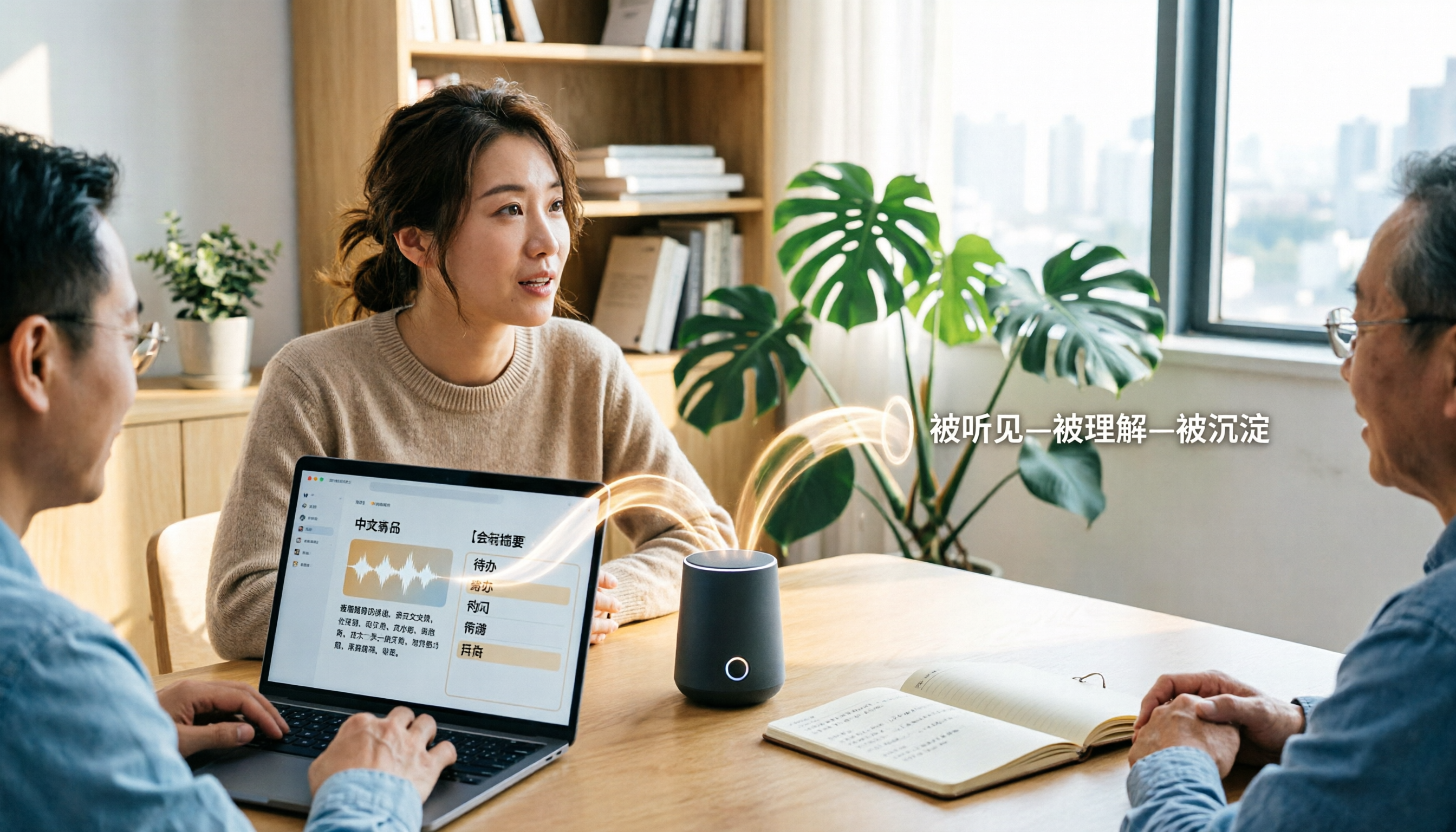
2026 Comparison of 4 Audio-to-Text Tools: Which Saves the Most Time for Chinese Meetings and AI Organization?
How to choose an audio-to-text tool in 2026? This article compares Tinrec, Granola, TurboScribe, and PLAUD from the perspectives of meeting recording, post-meeting organization, team collaboration, and quota limits, helping you determine which one suits Chinese meetings and team data retention.

2026 Comparison of 4 AI Meeting Summary Tools: Which One Has the Best Chinese Summaries and Free Tier?
I used class recordings, group discussions, and interview practice to test Tinrec, Otter.ai, Notta, and Granola—four AI meeting summary tools—comparing Chinese summaries, free tiers, post-meeting Q&A, and export options to help budget-conscious students find the most practical tool.

2026 Podcast Summary Free Plans Compared: 4 Tools at a Glance
A roundup of 4 free podcast summary tools in 2026, covering transcription of recorded audio, AI summaries, Q&A, Chinese recognition, free quotas, and per-file limits, to help you decide which one turns long episodes into searchable, queryable key notes.

Xiaomi Video-to-Text Alternative in 2026: Tinrec Free Tier vs. Built-in Meeting Notes
Xiaomi's built-in recorder transcription is handy, but it falls short for online video meetings, cross-device materials, and team collaboration. This article compares Xiaomi's built-in transcription with Tinrec, covering free tier limits, post-meeting outputs, team pricing, and use cases to help you decide when to switch tools.

4 Best Audio-to-Text Apps in 2026: Which One Saves You the Most Post-Meeting Time?
How to choose an audio-to-text app? This article focuses on the decision point: 'Do you still need to listen to the recording after the meeting?' It breaks down 4 key selection criteria, tests Tinrec's bot-free online meeting recording, AI summary, and AI Q&A, and briefly reviews Notta, Granola, and Otter.ai for their suitable scenarios, plus 3 common pitfalls to avoid.
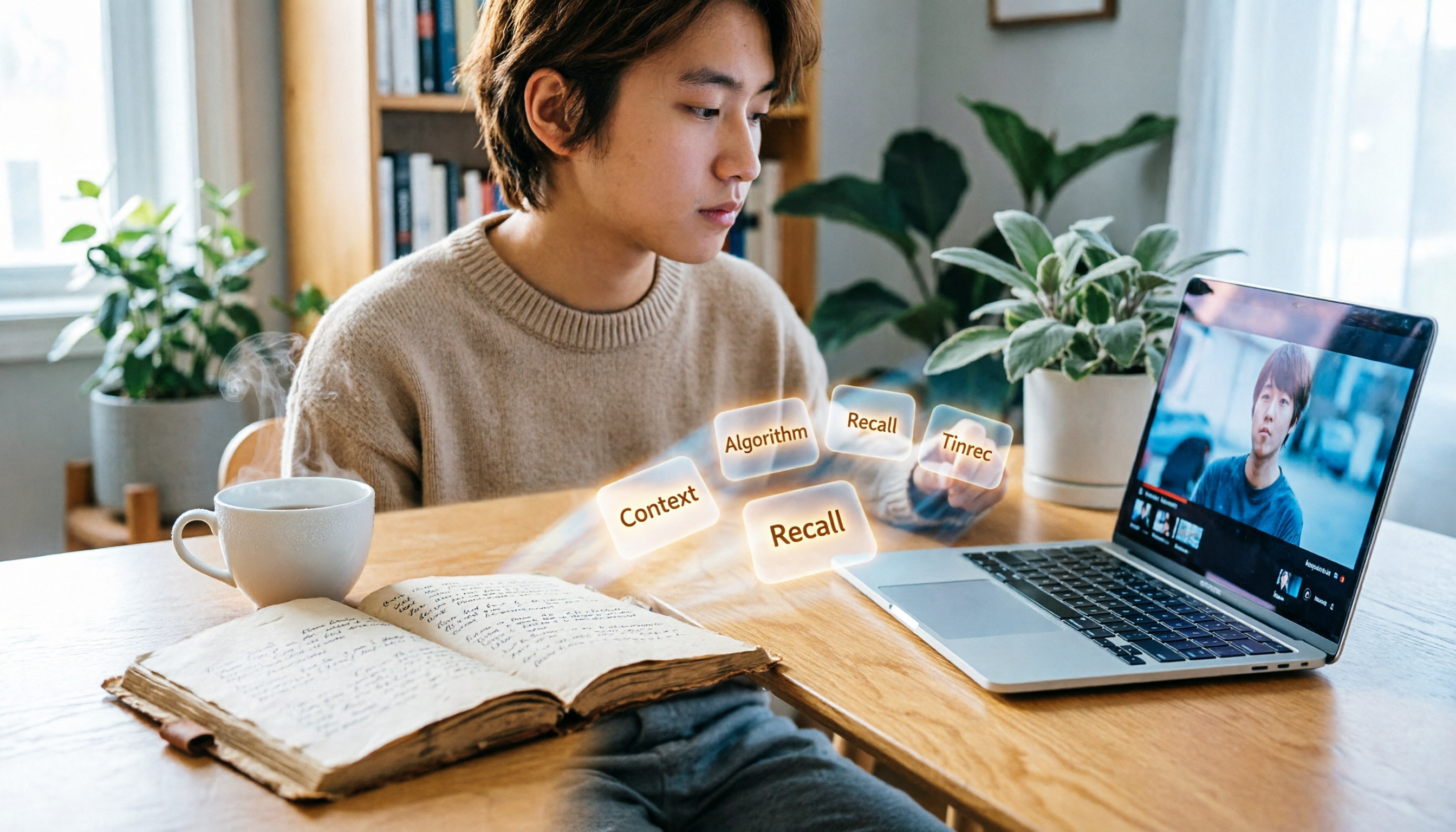
2026 Complete Guide to Summarizing Skill-Learning Videos: From Watching and Forgetting to Searchable Study Notes
Forgetting teaching videos after watching them is usually not a memory problem, but a lack of retrievable material afterward. This article starts with common pitfalls and explains four key points: choosing video length, creating transcripts, asking follow-up questions, and exporting for review. It also tests how Tinrec turns a 40-minute editing tutorial into searchable, queryable study notes, while comparing the use cases and limitations of Notta, TurboScribe, and Granola.

Best Free Audio-to-Text Apps in 2026: Tinrec vs Notta Free Tiers and Meeting Notes Compared
When looking for a free audio-to-text app, most people get stuck at 'it produces a transcript, but I can't finish organizing it.' This article compares Tinrec and Notta's free tiers, meeting capture methods, post-meeting outputs, and team collaboration capabilities. It outlines the conditions of free plans available in 2026, suitable use cases, and purchasing considerations, with a data verification date noted so you can test with your own recordings before deciding.