
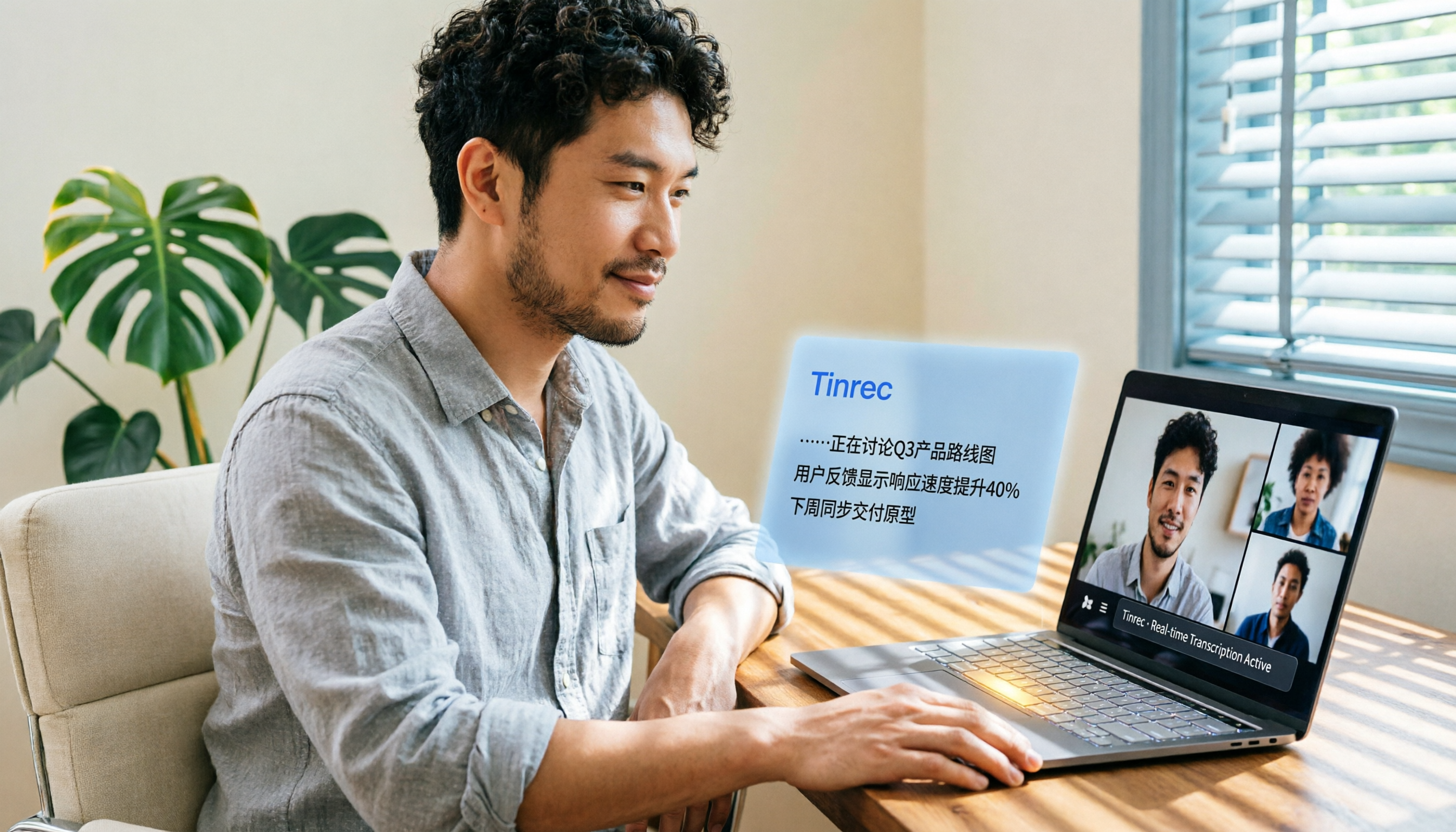
Turn recordings into transcripts and summaries in minutes
Upload audio or video for multilingual transcription, AI notes, and action items
Two hours in a meeting, another two hours sorting meeting notes?
Google Meet is already a daily part of many people's work, but after the meeting ends, who turns the discussion into text? Most people either manually transcribe word-for-word or rewatch the recording and slowly write it down—these methods are not only time-consuming but also prone to missing key points.
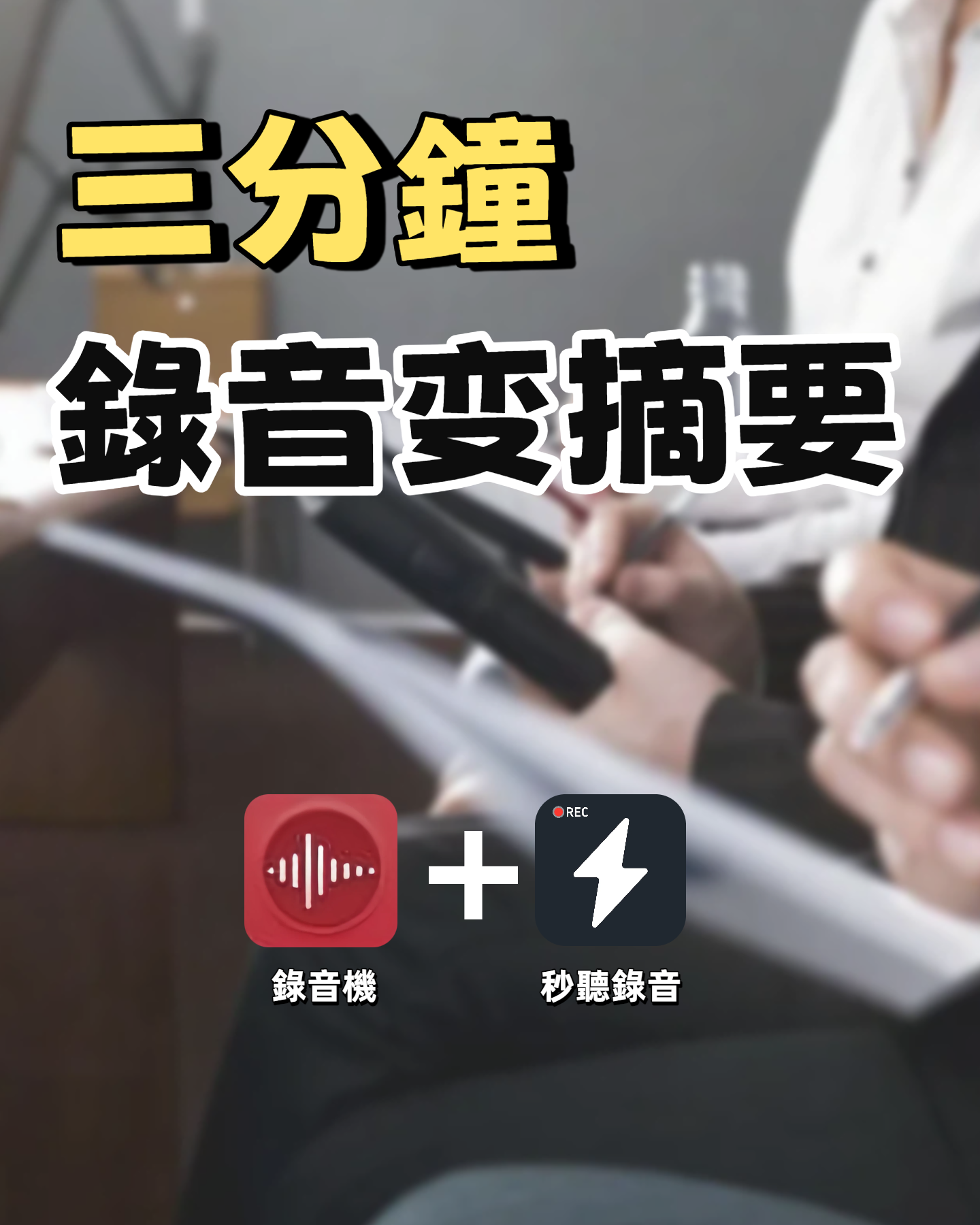
The built-in transcription feature can solve part of the problem, but the free plan often limits minutes and only gives you a plain transcript—no summary, no action items, let alone cross-platform organization.
If these pain points resonate with you, this article is written for you. We tested three services that specialize in Google Meet recording-to-text, from entry-level to advanced, to see which one is most worth trying.
Before choosing a Google Meet recording tool, understand these 3 key points
1. Transcription accuracy isn't everything
Don't just look at the "98% accuracy" claimed on the website. That's usually tested in a quiet lab environment. In real meetings with multiple speakers, background noise, and mixed Chinese-English, accuracy drops. The best way is to use your own meeting recording for a free trial—that's the most reliable test.
2. AI summaries are more important than you think
If the tool only gives you a verbatim transcript, you still have to spend time searching through thousands of words for conclusions. A good tool should automatically summarize meeting highlights, extract action items, and even let you ask questions to find key points—like "Who mentioned the budget in the last meeting?" This kind of functionality directly impacts the time you save.
3. Cross-platform support and export capabilities
After recording a Google Meet, you might want to review it on your phone, organize it on your computer, and export it to Notion or Google Docs for archiving. If the tool only supports one device or has limited export formats, integration will be painful.
Tinrec (Miao Listening Recorder) — Our top pick after testing
Tinrec is an AI recording and audio/video organization tool that supports Traditional Chinese (and English) with a friendly interface. It goes beyond simple transcription, emphasizing "turning content into usable data." For frequent Google Meet users, it's a highly complete solution.
More than just a transcript: get an action plan right after the meeting
What impressed us most is its "AI conversation query." After the meeting is recorded, you can ask it directly like a colleague: "What decisions were made in this discussion?" or "Who is responsible for tracking the Q3 report?" Tinrec answers based on semantics, not just keyword search results. Competitors at the same price point almost all lack this feature, making organizing meeting notes a snap.
Also, its built-in "action item extraction" is very practical. We tested a 30-minute Google Meet project meeting recording. Tinrec not only produced a full transcript but also automatically listed 5 action items, including responsible parties and implied deadlines.
Stop organizing recordings by hand
Upload audio or video and automatically get a transcript, summary, and action items
Supports the most input sources, useful for learning and creation too
Besides Google Meet meetings, Tinrec can directly paste links from public videos on YouTube, TikTok, Bilibili, etc., to transcribe, or import local audio/video files. For professionals who need to organize interviews, courses, or competitor videos, it handles all audio/video needs in one tool, no need to open multiple software.
Honest talk: Is the free version enough?
The free version provides a basic monthly transcription quota. For someone who has 2-3 meetings per week, it can handle about 100 minutes of content. If you only use Google Meet recording occasionally and want to try it out first, this quota is sufficient. Heavy users can consider the Pro plan when they truly need it—we don't think you need to pay upfront.
Cross-platform support is thoughtful
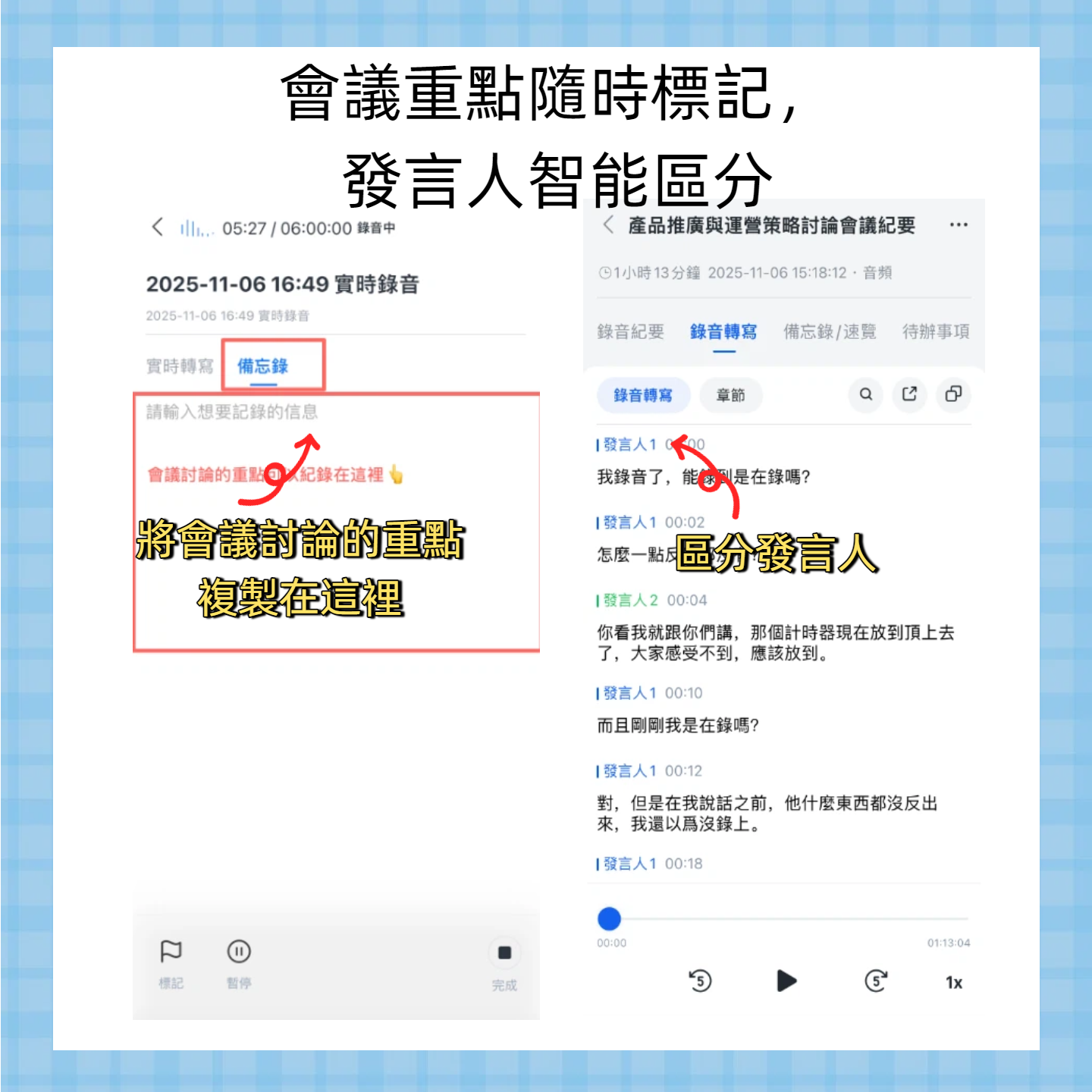
Tinrec has iOS, Android, and web versions. Record a meeting on your phone, and it syncs to your computer for continued organization—no device lock-in.
Ideal for these users
- Frequent Google Meet users who need quick meeting notes afterwards
- Those who want to ask AI for meeting highlights instead of manually scanning transcripts
- Users with diverse audio/video content like courses, videos, and interviews besides meetings
- Those who need cross-device sync without being tied to one platform
Besides Tinrec, what other options are there?
Otter.ai: A popular choice for English meetings
Otter.ai is practically synonymous with English meeting transcription. Its free plan offers 300 minutes per month, very generous for English users. However, its performance in Traditional Chinese is noticeably weaker. In our tests, Chinese proper nouns and context recognition were less accurate than Tinrec. Also, Otter doesn't support transcribing from public video links. If you often reference public videos, you'll miss that feature. If your meetings are primarily in English, Otter is a viable alternative.
Fireflies.ai: Emphasizes team collaboration
Fireflies.ai automatically joins Google Meet and offers team collaboration, meeting search, and other features. It's mature for multi-person team management. However, its free plan, while advertised as "unlimited transcription," actually shares storage across all members, so it runs out quickly with many users. It also lacks Tinrec's AI conversation query—you can only manually search text after recording, not ask questions to find key points. If you're a department that needs shared meeting notes across the team, Fireflies is worth evaluating, but for individual use, Tinrec's organization experience is more complete.
Avoidance guide: 3 most common mistakes when choosing a Google Meet recording tool
Mistake 1: Thinking the built-in transcription is enough
Google Meet's paid version has built-in transcription, but it only provides a verbatim transcript—no summary, no action items, no cross-platform organization. If you truly want to improve meeting efficiency, relying solely on the built-in tool isn't enough. Pair it with a tool that has strong post-processing capabilities.
Mistake 2: Ignoring the Traditional Chinese experience
Many foreign tools excel in English but fail with Traditional Chinese meetings. They can't segment sentences properly, mistranslate names, or confuse business terminology. Always test with your own recordings to evaluate Traditional Chinese transcription quality before deciding—don't rely solely on English reviews.
Mistake 3: Only looking at price, ignoring 'what you can do after transcription'
Transcription is just the first step. The real time-saver is how quickly you can grasp key points afterward. If a tool is cheap but you still spend half an hour finding conclusions, it's not really saving time. Tools like Tinrec with AI Q&A and action item extraction let you skip the drudgery of scanning transcripts—that's real productivity.
Summary: Which one should you choose?
After testing these three tools, if your meetings are primarily in Traditional Chinese and you want immediate summaries and action items after the meeting ends, Tinrec is the most suitable solution currently.
Scenario recommendations
- Traditional Chinese meetings, need Q&A to find key points → Tinrec (only one with AI conversation query, best Chinese performance)
- Pure English meetings, high usage → Otter.ai (free 300 minutes, high English accuracy)
- Team collaboration, need meeting search → Fireflies.ai
We recommend starting with Tinrec's free version—no credit card required. It has a monthly quota, and after a few meetings, you'll experience how it saves you organization time. If you like it, consider the paid plan later—no pressure.
Turn every recording into actionable outcomes
Get 60 free transcription minutes when you sign in. No credit card required.
Related Reading
You might also like

2026 Comparison of 3 Google Meet Meeting Solutions: Ditch Hardware Myths, AI Tools Eliminate Post-Meeting Cleanup
Still thinking about spending money on Google Meet hardware? This article tests 3 meeting solutions: traditional hardware, AI meeting note taker Otter.ai, and our top pick Tinrec Instant Recording. We tell you which one truly saves you time and money on post-meeting organization.

2026 Real-Time Translation Tool Buying Guide: 2 Products Tested and Compared
Tired of daily meetings? Does Google Meet have real-time translation? We test Tinrec vs Google Meet across language support, translation accuracy, transcription, and multi-scenario usability to find the best real-time translation tool for professionals.

3 Google Meet Alternatives Tested in 2026: Why I Ditched the Pro Plan
A senior college student tests 3 meeting transcription tools and shows you why Google Meet Pro isn't worth it. From free minutes, AI summaries, to cross-platform support, learn how to turn online classes and group discussions into searchable notes without spending a dime.

2026 Comparison of 3 Google Meet Alternatives: Which Is the Best for Chinese Meeting Summarization?
Thinking of buying a Google Meet license but finding the built-in features insufficient? This article tests 3 alternatives, comparing transcription accuracy, AI summarization, cross-platform integration, and other key metrics, and explains why Tinrec is a more comprehensive audio/video organization choice.

Tinrec vs Otter.ai: 2026 Hands-On Comparison of Google Meet Recording & Transcription Tools – Which Captures Complete Meeting Notes?
As a mid-level manager with 15 meetings per week, I tested Tinrec and Otter.ai for Google Meet recording and transcription. Comparing Chinese accuracy, input sources, AI features, and pricing across 5 dimensions, find out which tool best automates meeting notes and saves time.
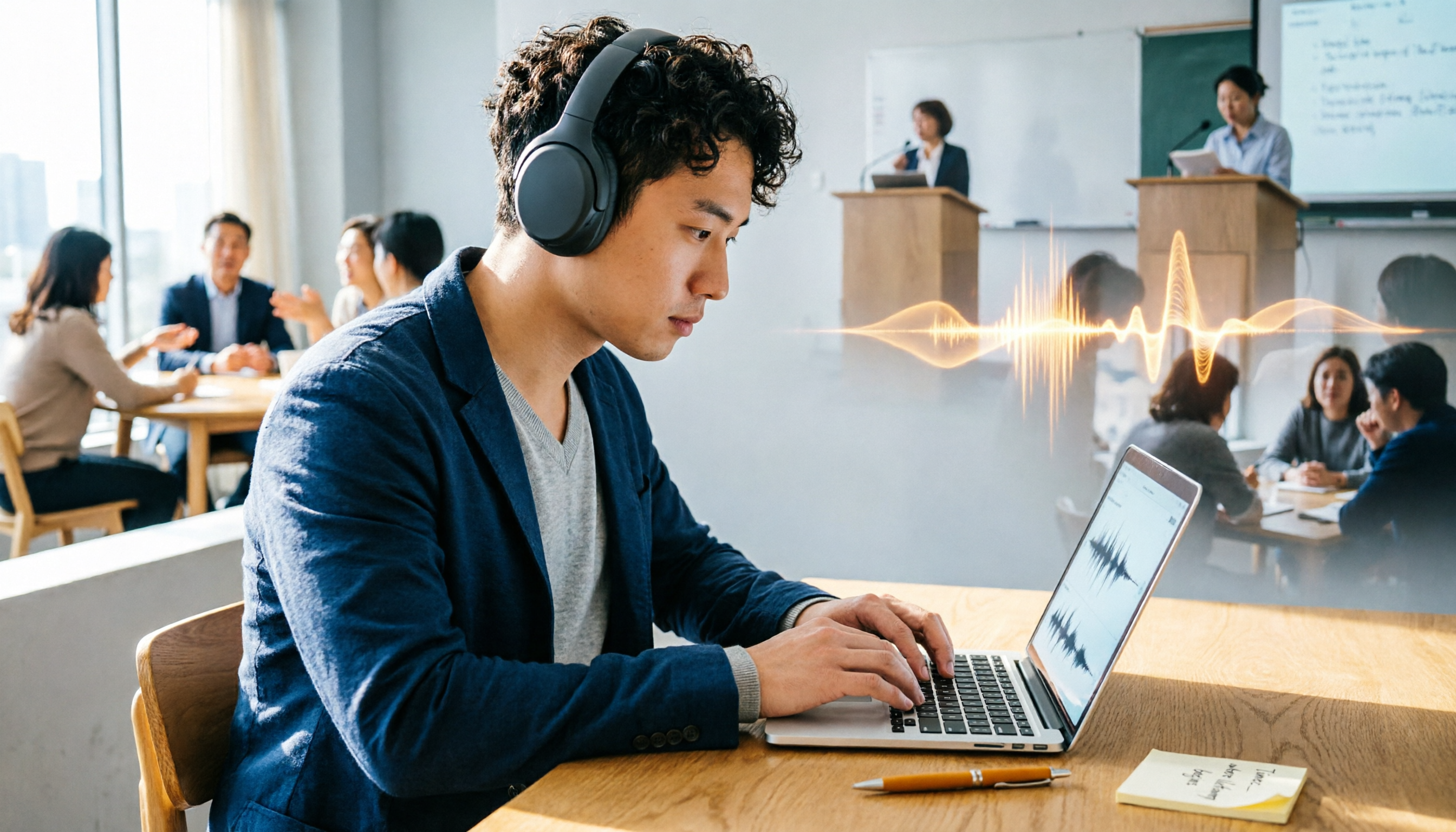
2026 3 Meeting Transcription Tools Compared: Say Goodbye to Google Meet Premium Limits, Tinrec Offers More Flexibility
Thinking about buying Google Meet Premium for meeting recording and transcription? This article compares Tinrec, Otter, and Google Meet's built-in transcription, showing why Tinrec is a more flexible choice—it works not only for meetings but also for classes, interviews, and online video summaries, with a free tier to try.

Best Google Meet Recording-to-Text Apps? 2026 Review of 3 Apps: Tinrec Tops for Hong Kong Workers
Does Google Meet work in China? Even if it does, do you still have to work overtime writing meeting minutes? We tested 3 recording-to-text tools to save you time. Tinrec's Cantonese recognition and AI Q&A are the most helpful.

2026 Comparison of 5 Google Meet Recording Solutions: A Money-Saving and Time-Saving Guide
This article compares 5 ways to record Google Meet meetings: Tinrec, Google Meet built-in, Otter.ai, Fireflies.ai, and Notta. It analyzes pricing, features, and suitability to help you find the most cost-effective meeting recording solution.
![[Tutorial] 2026 Tinrec Alternative to Google Meet Recording: Full Course Meeting Recording + AI Auto Summary](https://record-img.tos-accelerate.volces.com/images/2026/07/27/1785163453421991505.png)
[Tutorial] 2026 Tinrec Alternative to Google Meet Recording: Full Course Meeting Recording + AI Auto Summary
Tired of Google Meet's recording and transcription limitations? This student-tested tutorial shows why switching to Tinrec can fully record course meetings and group discussions, plus free AI summaries and to-do lists—even helping with final exam review!