

Turn recordings into transcripts and summaries in minutes
Upload audio or video for multilingual transcription, AI notes, and action items
Does Google Meet Have Breakout Rooms? The Conclusion and Prerequisites First
Let's answer the keyword itself first: yes, Google Meet has breakout rooms. According to Google Meet's official documentation, the meeting host can split participants into smaller discussion rooms during the meeting, allowing groups to discuss simultaneously and then return to the main meeting room.
But "having the feature" and "being able to click it right now" are two different things. Whether breakout rooms can be used depends on three prerequisites:
- Plan prerequisite: Breakout rooms are a Google Workspace plan feature; free personal accounts typically cannot use them.
- Role prerequisite: According to official documentation, breakout rooms must be started by the host during the meeting; regular participants cannot open or regroup them on their own.
- Device prerequisite: Official documentation states that the host needs to operate on a computer to start breakout rooms; mobile devices typically can only join assigned breakout rooms as participants.
In other words, if you're the host of a 20-person online workshop, the first thing to confirm isn't "is there a button for this," but "what type of account am I using to start this meeting, am I the host, and am I operating on a computer."
What Breakout Rooms Solve: Splitting a Large Meeting into Simultaneous Small Group Discussions
The value of breakout rooms is splitting one large meeting room into multiple small groups so different groups can discuss simultaneously, rather than everyone waiting in line to speak.
Take a 20-person online workshop as an example. The host assigns participants to 4 breakout rooms, 5 people per group, who discuss for 15 minutes and then return to the main meeting room to report. What can be done in breakout rooms includes:
- The host creates groups, assigns members to each group, or lets the system randomly assign them.
- Participants click to join and enter their assigned breakout room; each group talks independently.
- The host can rotate through each group to listen in and provide prompts.
- If the host sets a timer, participants will see the remaining time for that discussion round at the top of their screen.
- When time is up or the host ends the breakout, participants return to the main meeting room.
What it can't do should also be made clear upfront: breakout rooms handle "grouping and switching during the discussion." They do not automatically record what each group said, nor do they organize each group's conclusions into a deliverable document. After the discussion ends and everyone returns to the main meeting room, the content only exists in participants' memories.
Requirements to Enable Breakout Rooms: Plan, Role, and Admin Settings
If you've confirmed you have the host role, the actual steps are roughly as follows:
1. Open meeting settings during the meeting and find the breakout rooms option.
2. Create the number of rooms and decide whether members are randomly assigned or manually specified.
3. Set the discussion time (optional) so participants can see the remaining time.
4. Start the breakout; participants will receive a join prompt and enter their assigned room after clicking.
5. When needed, the host can broadcast messages, adjust members, or end the breakout early.
There are two easily overlooked boundaries here. First, feature ownership and availability vary by Google plan and admin settings. Even if your account appears to be Workspace, the admin may have disabled this feature; actual conditions should be based on official documentation and your organization's settings. Second, the interface the host sees differs from what participants see; participants can only switch between their assigned breakout rooms and cannot create or regroup on their own.
The Real Bottleneck of Breakout Discussions: Group Conclusions Don't Come Back
Just because breakout rooms run smoothly doesn't mean the workshop's outcomes have been captured.
A common scenario: 4 breakout rooms each discuss for 15 minutes, time's up, everyone returns to the main meeting room, and the host asks each group to report. Group 1 shares three key points, Group 2 adds two, Group 3 runs out of time halfway through, and Group 4 just says "we're similar to the previous ones." The meeting ends, and the host only has scattered verbal reports, no discussion records from each group, and no clear list of who is responsible for what.
This bottleneck isn't a design failure of breakout rooms; it's simply that they only handle "grouping during the discussion." What's really missing are three pieces of work:
- Each group's discussion content isn't recorded: Conversations in breakout rooms have no transcript, so it's impossible to check later which group mentioned what.
- Each group's conclusions aren't structured: Verbal reports easily miss decision points, conditions, and objections.
- Each group's action items aren't consolidated: Who is responsible for what and when it's due are scattered across different groups' remarks.
Capturing Each Group's Discussion: Recording, Transcript, and Summary
To fill this bottleneck, the first step is to turn the content of breakout discussions into searchable text.
Stop organizing recordings by hand
Upload audio or video and automatically get a transcript, summary, and action items
In practice, the host can confirm before the meeting whether participants agree to recording and transcription, then use a desktop tool to capture the meeting audio. For example, Tinrec desktop version captures computer system audio to record online meetings without inviting an additional meeting bot, so it won't affect breakout room member assignments by adding an extra participant.
After the meeting, you'll get:
- Transcript: Preserves each group's remarks, searchable and reviewable.
- AI summary and chapters: Breaks long meetings into a browsable structure, making it easy to compare each group's discussion sections.
- Action items: Extracts follow-up actions from the discussion as a starting point for consolidating each group's conclusions.
Note that recording and transcription involve participant consent; the notification and authorization steps must not be omitted. Actual transcription quality is also affected by recording quality, overlapping speakers, and technical terminology. For important content, it's recommended to cross-check with transcript timestamps and recording playback.
How an AI Assistant Turns Group Action Items into Deliverable Post-Meeting Materials
After getting the transcript and action items, there's still work to do: organizing each group's scattered discussions into post-meeting materials that can be explained externally, assigned, and tracked.
This is exactly what an AI assistant (Agent) can handle. Based on meeting minutes and context, it helps further process action items into usable post-meeting work products, such as:
- Combining action items from 4 breakout rooms into an action plan, marking owners and timelines.
- Organizing conditions and objections raised by each group into a consolidated report for explaining to higher levels.
- Organizing duplicate or conflicting conclusions into a comparison table, letting the host quickly determine which need further discussion.
- Producing meeting minutes or follow-up notification drafts based on the workshop theme.
Here's a fictional teaching example: a 20-person product workshop splits into 4 groups to discuss "next quarter's priority features." After the meeting, the host gives the transcript to the AI assistant and asks it to organize each group's consensus, disagreements, and action items. The output is a three-column table: consensus items, items still in disagreement, and each group's committed next steps. The host then uses this table to decide which items go to the next meeting.
It's important to emphasize that the AI assistant assists with organizing and drafting; important commitments, external communications, and key decisions should still be confirmed by humans. It should not be understood as being able to automatically operate third-party systems or make final decisions for people.
Team Edition: Making Breakout Discussion Data Shared and Continuously Followed Up
If breakout discussion data only stays in the host's individual account, the next workshop or the next person taking over will have to start over.
Tinrec Team Edition provides an independent team collaboration space, rather than multiple people sharing one personal account. For the breakout discussion scenario, two aspects are particularly relevant:
Aspect 1: Put each group's discussion data into the team space. After the host completes recording, transcript, and post-meeting materials, meeting data can be stored centrally in the team space rather than scattered across personal devices or chat records. Team members can view, play, and read these materials, and new members can also look back at historical workshop discussions.
Aspect 2: Let action items and post-meeting outputs be continuously followed up. Each group's committed next steps, owners, and timelines can stay in the team space along with the meeting data, and members can continue to use and follow up according to permissions. Note that Team Edition currently focuses on team-level sharing; roles determine who can manage the team and members, and seats determine whether members can record, upload, edit, and export; active members without seats can still view and read team data. This is not document-level granular permission control and should not be confused in external communications.
If your workshop is held on a regular cycle and participants rotate, putting breakout discussion data into the team space allows each round's conclusions to accumulate rather than starting over each time.
Usage Boundaries: Plan Differences, Participant Consent, and Human Confirmation
Finally, let's clarify a few easily mistaken boundaries:
- Feature ownership varies by plan and admin settings: Breakout rooms are a Google Workspace plan feature; whether they can be used and what options are available should be based on Google's official documentation and your organization's settings.
- Host role and device limitations: Breakout rooms must be started by the host during the meeting, and official documentation states that a computer is required.
- Recording and transcription require consent: Before recording breakout discussions, participants should be informed and necessary authorization obtained, and local regulations followed.
- AI output requires human confirmation: Transcripts, summaries, and post-meeting materials generated by AI assistants may miss or misunderstand details. Important decisions, external commitments, and sensitive content should be reviewed by humans before use.
- Team Edition capability scope: Team space and shared meeting data are currently the capabilities that can be introduced externally; document-level permissions, unconfirmed integrations, and automated processes should not be written as fully launched.
Breakout rooms solve "how to split a large meeting into simultaneous small group discussions"; they are not responsible for preserving each group's conclusions. Connecting recording, transcript, summary, action items, and team space into one workflow is the key to making a workshop truly produce deliverable outcomes.
References
- Use breakout rooms in Google Meet - Meeting Participants - Google Meet Help
- Use breakout rooms in Google Meet - Google Workspace Individual Help
- Use breakout rooms in Google Meet - Meeting hosts - Google Meet Help
- Google Meet Breakout by Robert Hudek - Chrome Web Store
- r/gsuite on Reddit: Google meets breakout rooms
Turn every recording into actionable outcomes
Get 60 free transcription minutes when you sign in. No credit card required.
Related Reading
You might also like

Does Google Meet Cost Money? A Guide to Pricing Tiers and Choosing the Right Scale
Google Meet pricing isn't a single answer—it breaks down into four layers: account plans, add-on features, meeting room hardware, and post-meeting organization tools. This article takes a procurement evaluation perspective to help you determine how far the free version can take you, which features require a paid plan, how teams of different sizes should choose, and how to factor in the cost of meeting notes and post-meeting tools.

Can You Use a Virtual Background on Google Meet? Device, Browser Requirements, and Setup Paths
Google Meet supports virtual backgrounds, but whether you can use them depends on your device, browser, and account type. This article explains setup paths for desktop and mobile, the order to check when you can't find the button, and what virtual backgrounds can't do and the boundaries of background asset licensing.
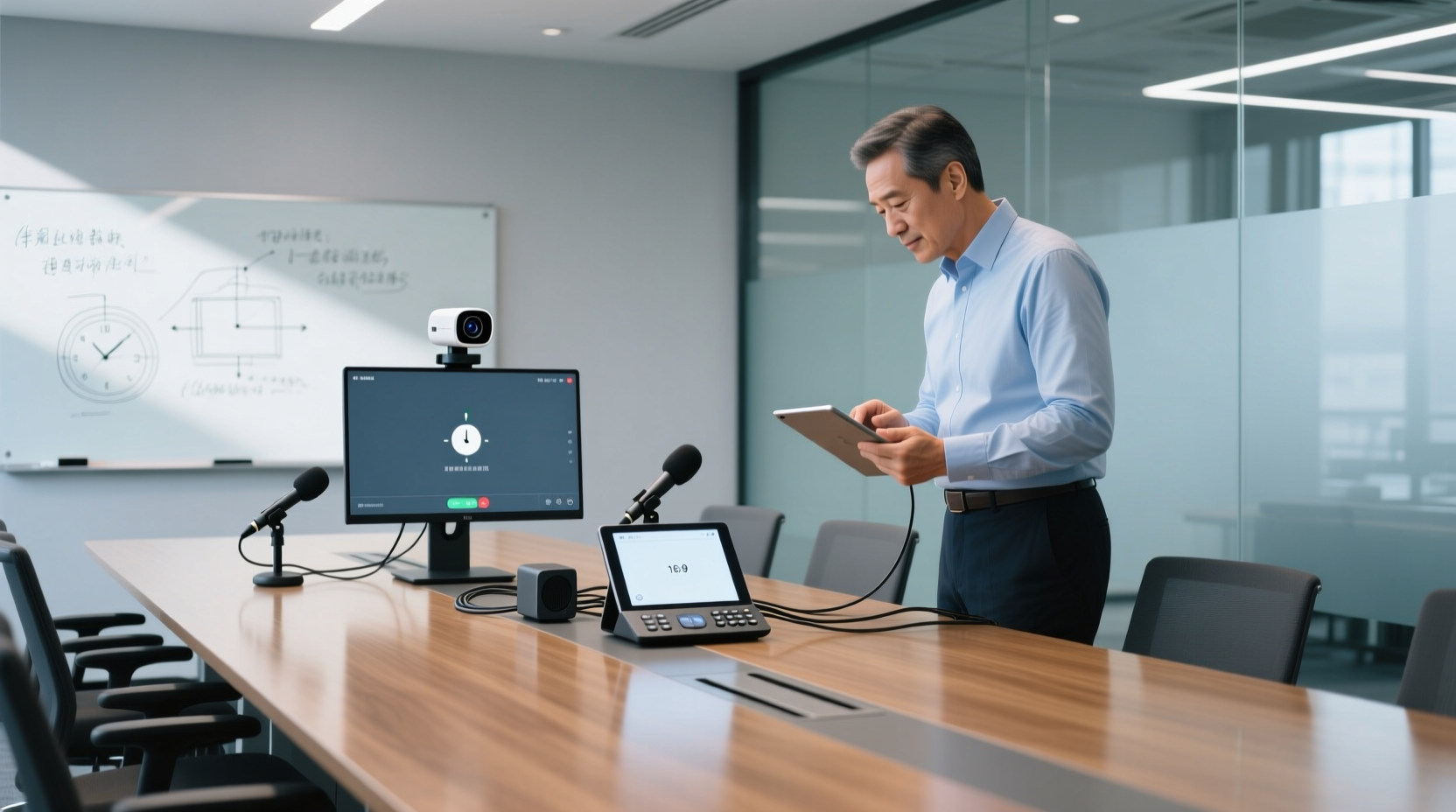
How to Buy Affordable Google Meet Conference Room Hardware: Cost Breakdown, Trade-off Priorities, and Pre-Purchase Checklist
How much should you budget to set up a conference room that works with Google Meet? This article breaks down hardware costs into five categories—camera, microphone, speaker, controller, and licensing—explains the differences between brand kits, third-party compatible devices, and DIY setups, and provides purchasing priorities and a pre-purchase checklist for different budget tiers.

Create a Future Google Meet: 3 Ways to Schedule a Meeting and a Post-Meeting Handoff Checklist
To create a Google Meet for a meeting that hasn't happened yet, you can go through Google Calendar, the Meet homepage, or reuse a recurring meeting code. This article follows the order of "confirm the entry point first, then set the time and permissions, and finally confirm who can join," explaining which situations each method suits, what to include in the notification, and how to turn the recording into a shareable transcript and action items after the meeting.
Can Google Meet Record? Recording Requirements, File Ownership, and Post-Meeting Handoff
Google Meet's built-in recording is a Workspace feature that must be started by a participant, and the recording is saved by default to the meeting organizer's Google Drive. This article explains the requirements, ownership, retention, and organization of recordings in order, covering what is truly missing during handoff, and shows how to turn a recording into a shareable transcript, action items, and team materials.
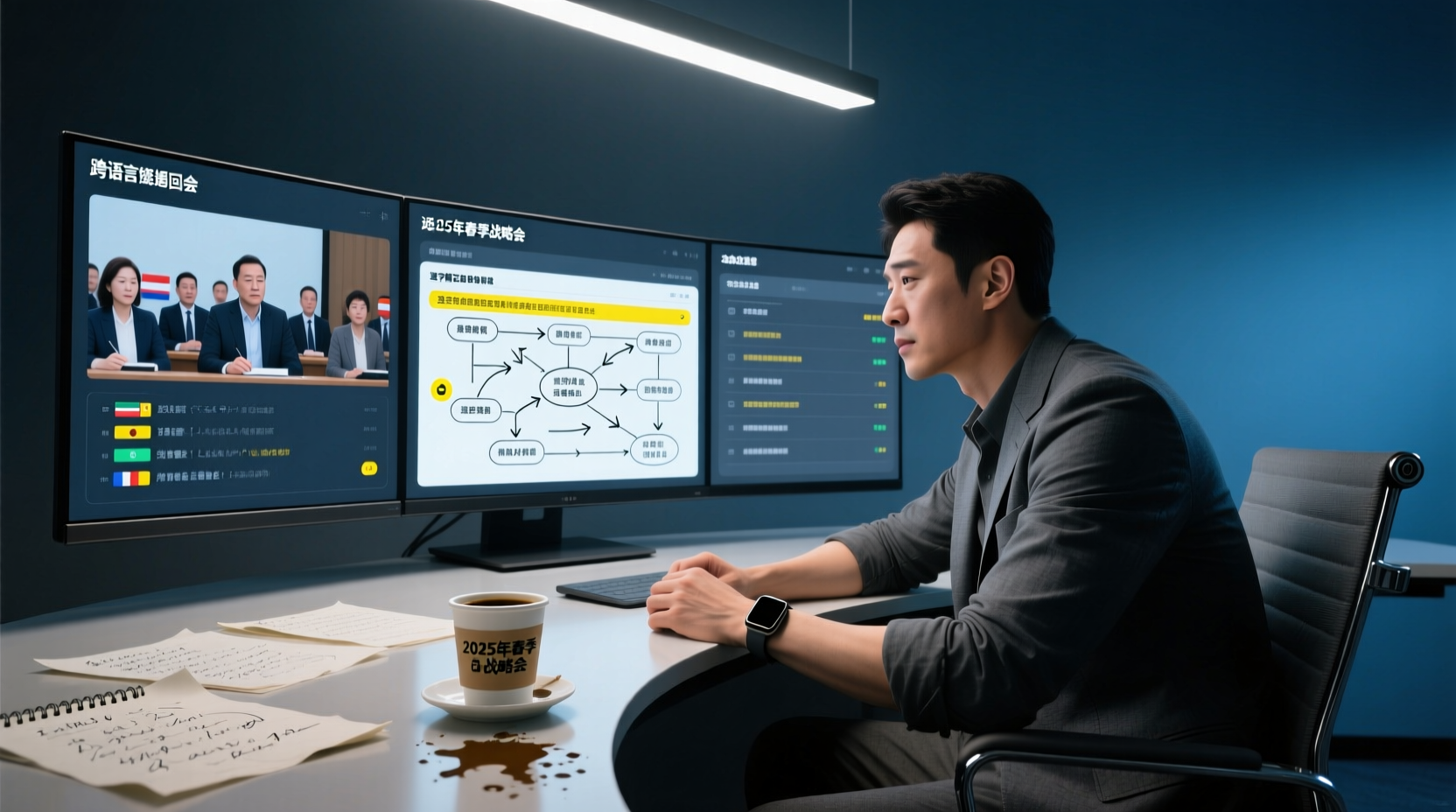
Can Google Meet Do Live Translation? The Rhythm Gap, Capability Limits, and Post-Meeting Bilingual Data Organization in Cross-Language Meetings
Google Meet's live voice translation can handle some languages, but it solves in-the-moment understanding, not post-meeting decisions and task assignments. This article breaks down what live translation currently covers, scenarios where accents and technical terms cause distortion, and provides a post-meeting workflow to turn cross-language meetings into verifiable transcripts and action items.

Does Google Meet Automatically Turn On Your Camera? Camera Off Order Before and After Joining and Post-Meeting Follow-Up
Whether Google Meet automatically turns on your camera when you join a meeting depends on your device, browser, and account settings. This article organizes a pre-meeting checklist based on default behavior, device differences, turning off the camera before joining, in-meeting controls, and what to check when you can't find the camera button, plus how to capture meeting content after turning off the camera.

When to Use Google Meet and When Not To: Three Meeting Scenarios at a Glance
Google Meet works well for impromptu meetings, external cross-organization communication, and collaboration within the Google ecosystem, but it shows its limits for formal meetings that require complete records, long-term archiving, or complex interaction. This article uses a comparison format to break down suitable and unsuitable scenarios, the feature gaps between joining via browser and app, and how to supplement transcripts and action items when built-in recording is unavailable.

What Is Google Meet Used For? From Video Meetings to Meeting Notes, Action Items, and Team Follow-Through
Google Meet is essentially a video conferencing service that brings people together in the same meeting room, but it does not produce meeting notes or action items. This article starts with the post-meeting organization burden, explains Google Meet's purpose and boundaries, and adds a post-meeting workflow from transcript to notes to team sharing.