

Turn recordings into transcripts and summaries in minutes
Upload audio or video for multilingual transcription, AI notes, and action items
2026 Comparison of 6 Cantonese Speech-to-Text Platforms: Which Is More Time-Saving for Cantonese Recognition and Meeting Organization?
After a one-hour Cantonese meeting, the recording sits on your phone, but you have to spend three hours re-listening and typing a transcript? Hong Kong-style meetings often mix in English terms, and the gap between colloquial characters and written Chinese makes manual note-taking especially time-consuming. This article rounds up 6 tools for Cantonese meeting notes and post-meeting organization, covering Cantonese recognition, mixed Chinese-English, post-meeting summaries, free quotas, and team collaboration, to help you quickly determine which one fits your situation.
Why Do You Need Cantonese Speech-to-Text?
Cantonese meetings often contain colloquial characters such as “係咪”, “嘅”, and “喺”, which require extra conversion when typed directly into written Chinese. In addition, mixed Chinese-English is the norm, for example “Send 個 file 俾我”, and general voice input methods struggle to switch accurately. Rather than re-listening to recordings, it is better to turn speech into text data that can be searched, summarized, and queried. The list below introduces 6 options and tells you how to choose at the end.
Tinrec — The Most Complete AI Meeting Notes and Team Collaboration Solution
Tinrec is an AI meeting notes and collaboration tool for individuals and teams. It not only turns speech into text but also organizes meetings into data that can be searched, summarized, queried, and exported.
- Record online meetings without bots: The desktop version directly captures system audio, handling Zoom, Google Meet, Microsoft Teams, and Webex without requiring an extra bot to join the meeting.
- Post-meeting organization in one go: Automatically generates summaries, chapters, key points, and action items, and supports AI Q&A, mind maps, real-time translation, and bilingual viewing.
- Multi-format export and Agent post-processing: Can export to Notion, Google Docs, OneNote, and Dropbox, and can also generate reports, tables, and documents.
- Team Edition turns meetings into team assets: Independent team space, member roles and seat management, usage analytics, audit logs, audio recycle bin, and team hotwords. Active members can view, play, and read team materials even without a seat; only after obtaining a seat can they record, upload, edit, and export.
The free version lets you experience recording, import, summaries, and transcription with a basic quota; the weekly card is suitable for short-term intensive meetings; the Pro monthly and annual cards are suitable for stable and long-term needs, and actual prices are subject to the official website. The Team Edition offers a 7-day trial (1 free seat, 300 minutes of team shared import quota), USD 29.80 per paid seat per month for monthly billing, USD 199 per paid seat per year for annual billing (equivalent to about USD 16.58 per month), and each paid seat provides 2,000 minutes of team shared import quota per month.
Suitable for users who need Chinese meeting notes, mixed Chinese-English content organization, bot-free online meeting recording, and post-meeting summaries, action items, and team data retention. Tinrec covers Chinese and multilingual meeting scenarios; actual speech recognition performance is affected by recording quality, accent, and noise, so it is recommended to test with the free quota first.
Subanana — Focused on Cantonese Subtitles and Transcripts
Subanana is a tool specializing in Cantonese speech-to-text. Upload a recording file, video, or paste a YouTube link, and the AI turns Cantonese dialogue into a transcript with speaker separation and punctuation. Its highlight is model selection for Cantonese, and it can handle mixed Chinese-English, with options for colloquial or written Chinese output, Traditional or Simplified Chinese, and export to SRT, VTT, TXT, DOCX, XLSX, and Markdown. It also offers custom vocabulary lists, timelines, AI summaries, and meeting templates. The free plan allows free preview of the first 15 minutes of each file, suitable for testing subtitle and transcript results first. Suitable for YouTubers and creators who need Cantonese subtitles and colloquial-to-written conversion.
Stop organizing recordings by hand
Upload audio or video and automatically get a transcript, summary, and action items
PLAUD Note / NotePin — AI Recording Hardware
PLAUD is a representative of AI recording hardware. Note and NotePin combine recording devices with an app and support recognition of 112 languages, suitable for portable recording, phone call recording, and long-duration recording. Current US official website prices: NotePin USD 159, Note Pro USD 189; Starter 300 minutes per month, Pro USD 99.99 per year (1,200 minutes per month), Unlimited USD 239.99 per year. Suitable for business professionals and researchers who need hardware audio capture and portable recording; if you mainly hold meetings on a computer, you can evaluate software solutions.
iFLYTEK — High-Accuracy Recognition for Chinese and Cantonese
iFLYTEK is a professional-grade speech recognition tool known for high accuracy in Chinese (especially Mandarin and Cantonese), commonly used in legal, medical, educational, and other scenarios requiring highly accurate speech records. For the Hong Kong market, it is one of the few solutions providing high-accuracy Cantonese transcription. Prices vary by plan and region, subject to official announcements. Suitable for professional users with strict requirements for recognition accuracy.
Otter.ai — Mainly for English Meetings
Otter.ai is a mature AI meeting assistant that performs excellently in English speech transcription, suitable for English meeting notes in multinational companies or academic institutions. However, Otter.ai has insufficient support for Cantonese and is not recommended as a primary tool for Cantonese users in Hong Kong. The free Basic plan offers 300 minutes per month, Pro annual billing is equivalent to USD 8.49 per user per month (1,200 minutes of in-app recording and 10 file imports per month), and Business pricing is subject to official announcements. Suitable for pure English meeting environments.
Google Docs Voice Typing — A Completely Free Option for Memos
If you only need the most basic free memos, Google Docs voice typing is an option. It is completely free but basic in functionality and not suitable for long meetings, speaker identification, or mixed Chinese-English Cantonese content. Suitable for occasionally recording short sentences, ideas, or simple memos.
With So Many Options, How Should You Choose?
- Want to complete everything from recording to summaries, action items, and AI Q&A in one go → Tinrec
- Need bot-free recording of Zoom, Meet, and Teams online meetings → Tinrec desktop version
- Need team sharing of meeting data, role and seat management → Tinrec Team Edition
- Need mixed Chinese-English content organization, real-time translation, and multi-format export → Tinrec
- Other special needs: For pure Cantonese subtitles and colloquial-to-written conversion, choose Subanana; for portable hardware recording, choose PLAUD; for high-accuracy professional scenarios, choose iFLYTEK; for pure English meetings, choose Otter.ai; for zero-budget occasional memos, choose Google Docs voice typing.
3 Things to Know Before Using Cantonese Speech-to-Text
- The gap between colloquial and written Chinese: Cantonese colloquial characters (嘅, 喺) require tools that support colloquial-to-written conversion; otherwise, subsequent editing will be extensive.
- Mixed Chinese-English is the norm: Hong Kong-style meetings often mix in English terms; choosing a model optimized for mixed languages can reduce subsequent corrections.
- Free quotas and file length limits: Most tools’ free versions have single-file length or minute limits, so try before paying. For example, Tinrec provides a free quota for testing first, and after meetings, use summaries and action items to reduce organization time.
Conclusion
Cantonese speech-to-text is not just about turning speech into text; it is about turning meeting content into searchable, actionable data. If you need post-meeting summaries, action items, AI Q&A, and team collaboration, Tinrec is the most complete option on this list; if the focus is pure Cantonese subtitles, Subanana is worth trying. It is recommended to start with a free plan, test recognition performance with a real meeting recording, and then decide whether to upgrade.
References
- Free Cantonese Speech-to-Text App 2026 | Subanana
- 2026 Latest 4 Cantonese Speech-to-Text Tools: Solving Mixed Chinese-English and Meeting Notes Pain Points - Tinrec Blog
- 2026 Latest 5 Cantonese Speech-to-Text AI Recommendations: Solving Mixed Chinese-English and Transcription Challenges - Tinrec Blog
- Top 5 Speech-to-Text Tools in Hong Kong: Accurate Cantonese Recognition, Doubling Meeting and Interview Efficiency!
- 2026 Latest 6 Cantonese Speech-to-Text AI Tools: Solving Meeting Notes and Transcript Pain Points - Tinrec Blog
Turn every recording into actionable outcomes
Get 60 free transcription minutes when you sign in. No credit card required.
Related Reading
You might also like

2026 Vocology Master's Programs: 5 Continuing Education Options at a Glance
If you're considering a master's in vocology in 2026, the first thing to determine is whether you want a clinical or artistic path—not which school is best. This article compiles five Italian continuing education programs: Nuova Artec, Dialogos, the University of Bologna, and Polo Nazionale Artistico, including start dates, delivery methods, and published costs. It also offers tool suggestions for organizing course notes during synchronous remote classes.

2026 Comparison of 4 Cantonese Speech-to-Text Tools: Which Handles Mixed Chinese-English and Colloquial Speech Best?
Still stuck transcribing after meetings? We tested 4 Cantonese speech-to-text tools using real Cantonese meeting and interview recordings, comparing mixed Chinese-English recognition, post-meeting summary generation, and team collaboration capabilities. We also cover key buying factors, common pitfalls, and scenario recommendations to help you find the tool that truly saves time.
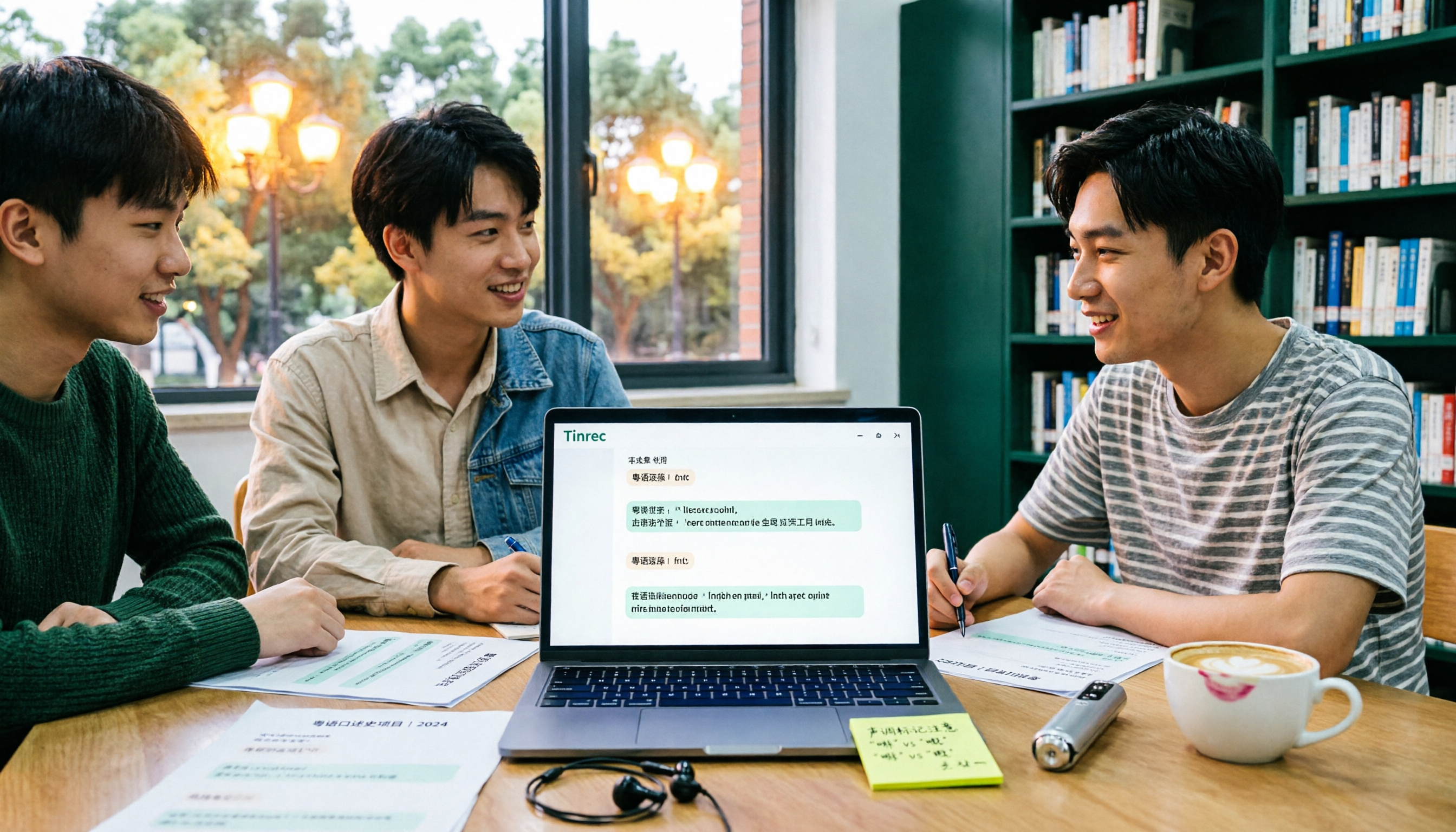
2026 Cantonese Speech-to-Text Showdown: 4 Tools Tested for Mixed Chinese-English Accuracy
I was drowning in Cantonese interview and group discussion transcripts this semester, so I tested four tools: Tinrec, Subanana, Good Tape, and Otter.ai. This comparison focuses on student budgets and campus scenarios, covering Cantonese recognition, mixed Chinese-English handling, free tiers, summaries, and export formats. I also share why I ultimately stuck with Tinrec. Ideal for college students, grad students, and anyone who needs to organize interview notes.
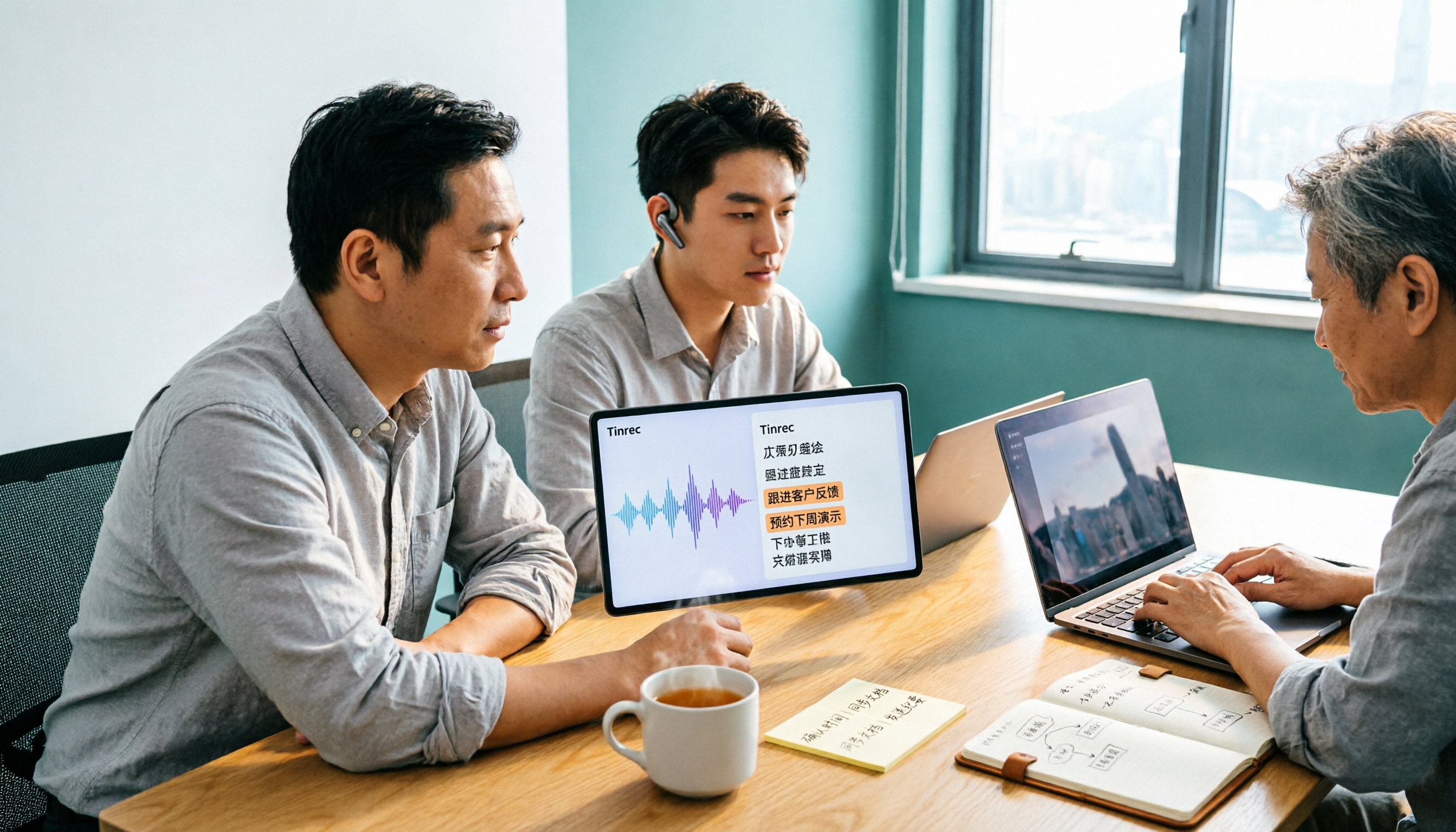
Tinrec vs Subanana 2026: 5-Dimension Comparison, Which Is Better for Cantonese Meeting Notes?
How to choose a Cantonese audio-to-text app? This article compares Tinrec and Subanana across 5 dimensions: meeting notes, subtitles, free quota, and team collaboration. It also covers 6 options including iFLYTEK, Notta, Notely Voice, and iPhone built-in transcription, helping you decide based on needs rather than price.

5 Best Cantonese Speech-to-Text Tools in 2026: Free Tiers and Mixed Chinese-English Compared
A comparison of Tinrec, Subanana, cSubtitle, Google AI Studio, and SoundType AI covering use cases, free limits, output formats, and team collaboration. Find out which free tier is enough and which handles mixed Chinese-English best before deciding whether to pay.
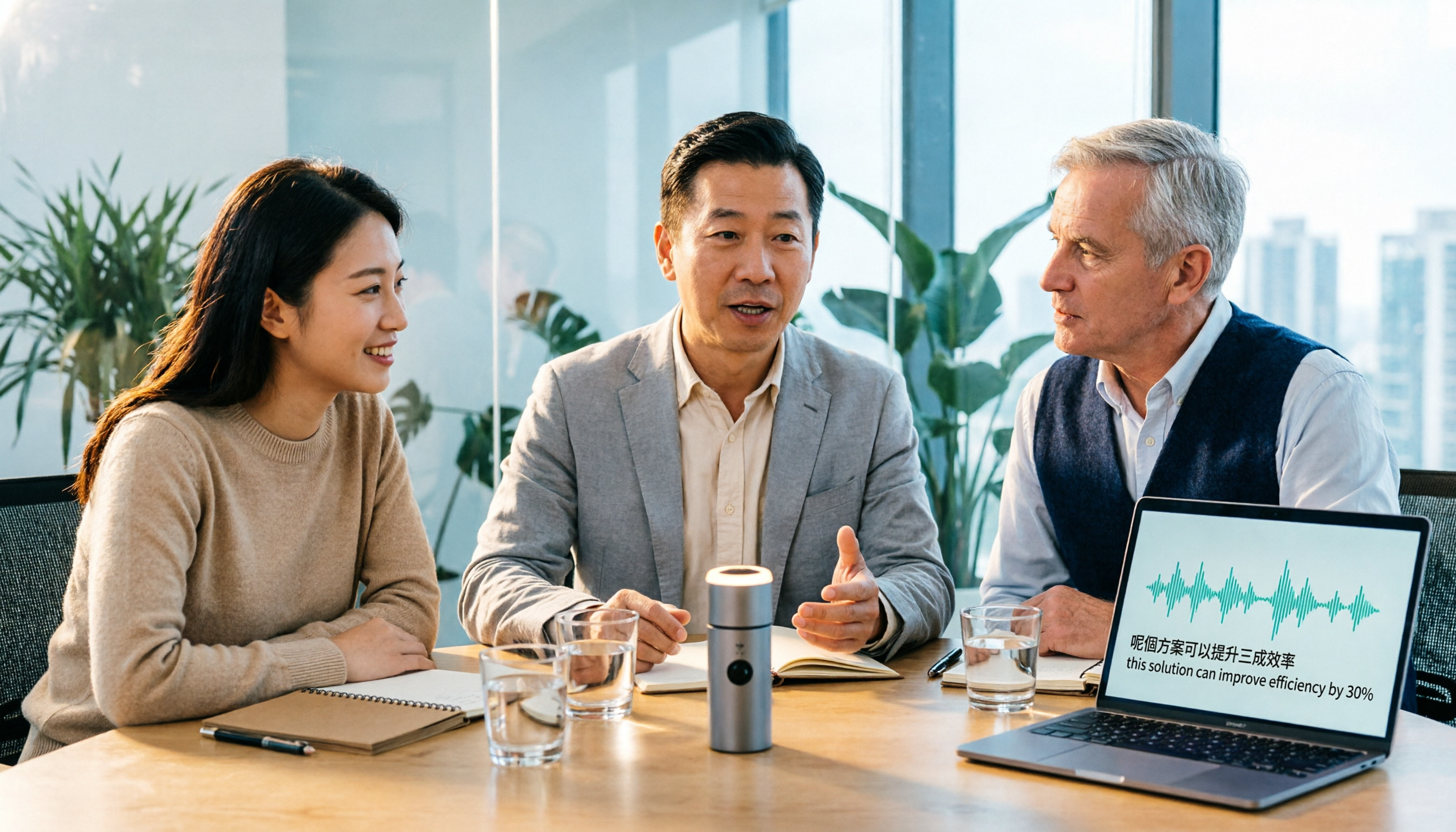
Tinrec vs Otter.ai 2026: 5-Dimension Comparison for Cantonese Meeting Transcription
How to choose a Cantonese audio-to-text tool? This article compares Tinrec and Otter.ai across 5 dimensions—mixed Chinese-English recognition, meeting capture methods, post-meeting outputs, team governance, and pricing structure—to help you decide which is better suited for your meeting and transcription needs.

2026 Clinical Vocology Course Guide: Tuition, Hours, and Note-Taking Methods
How to choose a 2026 clinical vocology (Vocologia Clinica) program? We compare the Nuova Artec advanced course and the university master's, covering the time commitment of 200 hours and 100 ECM credits, costs and discount eligibility, and explain how to use Tinrec to turn live online classes into searchable, reviewable transcripts and summaries.
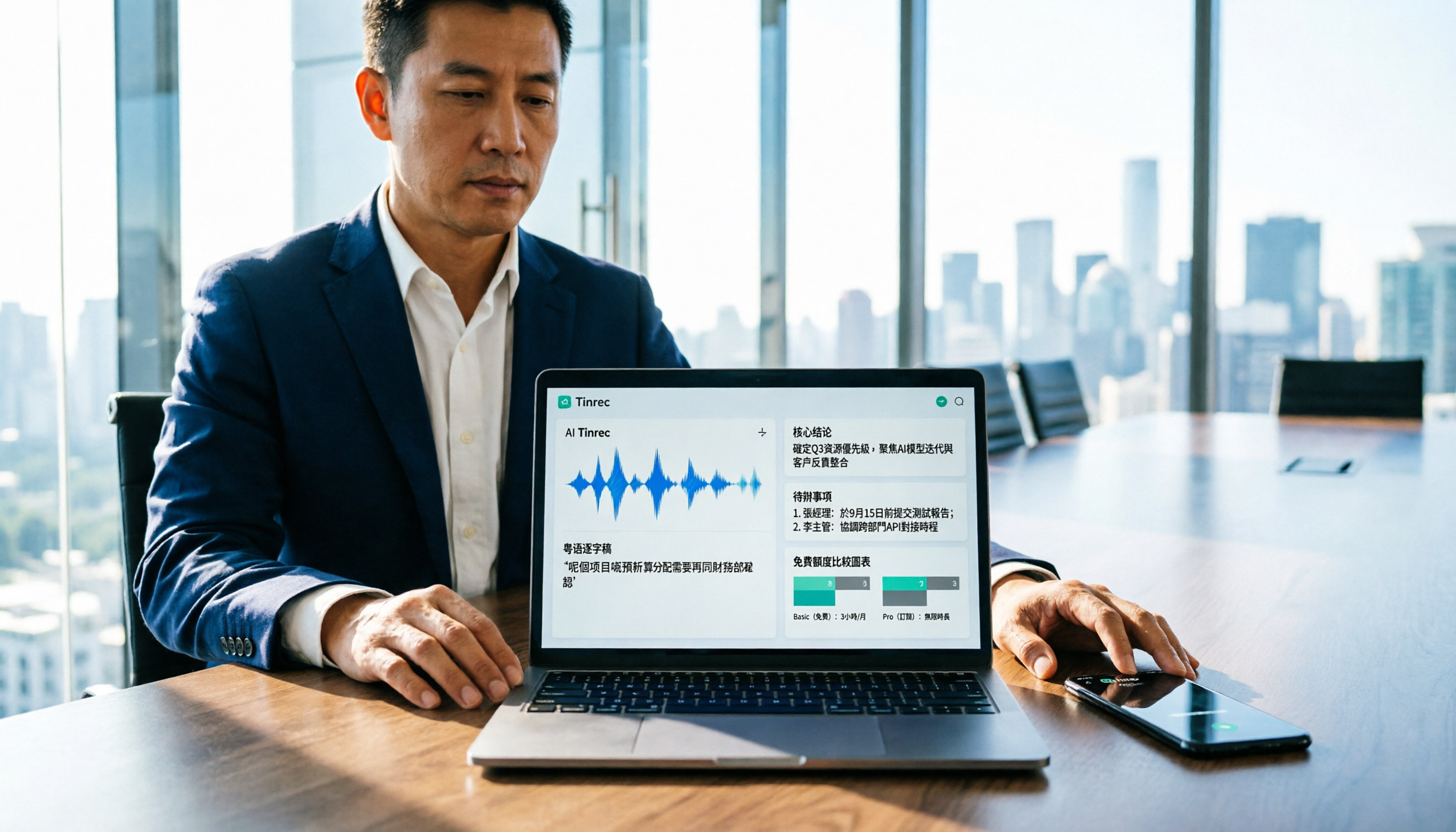
Cantonese Audio to Text in 2026: Free Tier Comparison & AI Meeting Notes Guide
We tested 6 Cantonese audio-to-text tools in 2026, comparing free tiers, Cantonese recognition, transcript output formats, and post-meeting AI summaries and team collaboration. Includes buying tips and 4 things to know before use, helping you pick the best one.

6 Cantonese Speech-to-Text Tools Tested for 2026: Which Handles Mixed Chinese-English and Colloquial Transcripts Best?
Cantonese speech-to-text often struggles with the gap between spoken and written language and unstable recognition of mixed Chinese-English. This article reviews 6 practical solutions, from AI meeting notes and Cantonese subtitle tools to free online dictation, detailing each tool's positioning, highlights, free quota, and target users, plus selection advice and 4 things to know before use.