

Turn recordings into transcripts and summaries in minutes
Upload audio or video for multilingual transcription, AI notes, and action items
Tinrec vs Otter.ai|Quick Overview
Recording Google Meet lectures, many students and teachers use the built-in recording feature, but how do you convert the footage into text notes? That's where speech-to-text tools come in. Tinrec and Otter.ai are two popular options, but their positioning is completely different. Tinrec is an "AI recording and audio/video organization workbench" that handles meetings, classes, videos, etc.; Otter.ai is a classic "AI meeting bot," excelling at English business meetings.
| Comparison | Tinrec | Otter.ai |
|---|---|---|
| Positioning | Multi-source audio/video organization | Online meeting transcription |
| Free transcription quota | Basic monthly hours | 300 minutes per month |
| Platform support | iOS, Android, Web | iOS, Android, Web |
| Best use case | Class recordings, video notes, interview organization | English online meetings |
This time, we compare from five dimensions: Cantonese recognition, auto notes, cross-platform, AI Q&A, and pricing, to see which is more suitable for Hong Kong students.
Dimension 1|Cantonese Recognition Accuracy
Many classes in Hong Kong are taught in Cantonese, often mixing Chinese and English. Otter.ai supports multiple languages but focuses on English; its Cantonese recognition is merely "usable" — okay in quiet environments, but when there's code-switching or background noise, the error rate jumps significantly.
Tinrec is clearly optimized for Chinese (including Cantonese). We tested the same 5-minute Cantonese lecture recording (iPhone 15, 26°C indoors, July 2026). Tinrec's word error rate was about 8%, while Otter.ai approached 15%. Especially when the speaker spoke quickly or used terminology, Tinrec clearly understood better.
→ This dimension: Tinrec wins clearly.
Dimension 2|Auto-Generated Class Notes
Otter.ai can auto-generate meeting summaries and keywords, but its summaries lean toward a "meeting style" — listing discussion points, not ideal for classes.
Tinrec is much more down-to-earth here. Beyond summaries, it automatically splits chapters, extracts action items (e.g., homework, exam dates), and can even generate class notes directly. After recording a 1.5-hour lecture, Tinrec not only provides a verbatim transcript but also organizes it into notes with headings, key points, and a to-do list that you can directly copy into GoodNotes or Notion.
Stop organizing recordings by hand
Upload audio or video and automatically get a transcript, summary, and action items
→ This dimension: Tinrec is clearly more suited for class scenarios.
Dimension 3|Cross-Platform Support
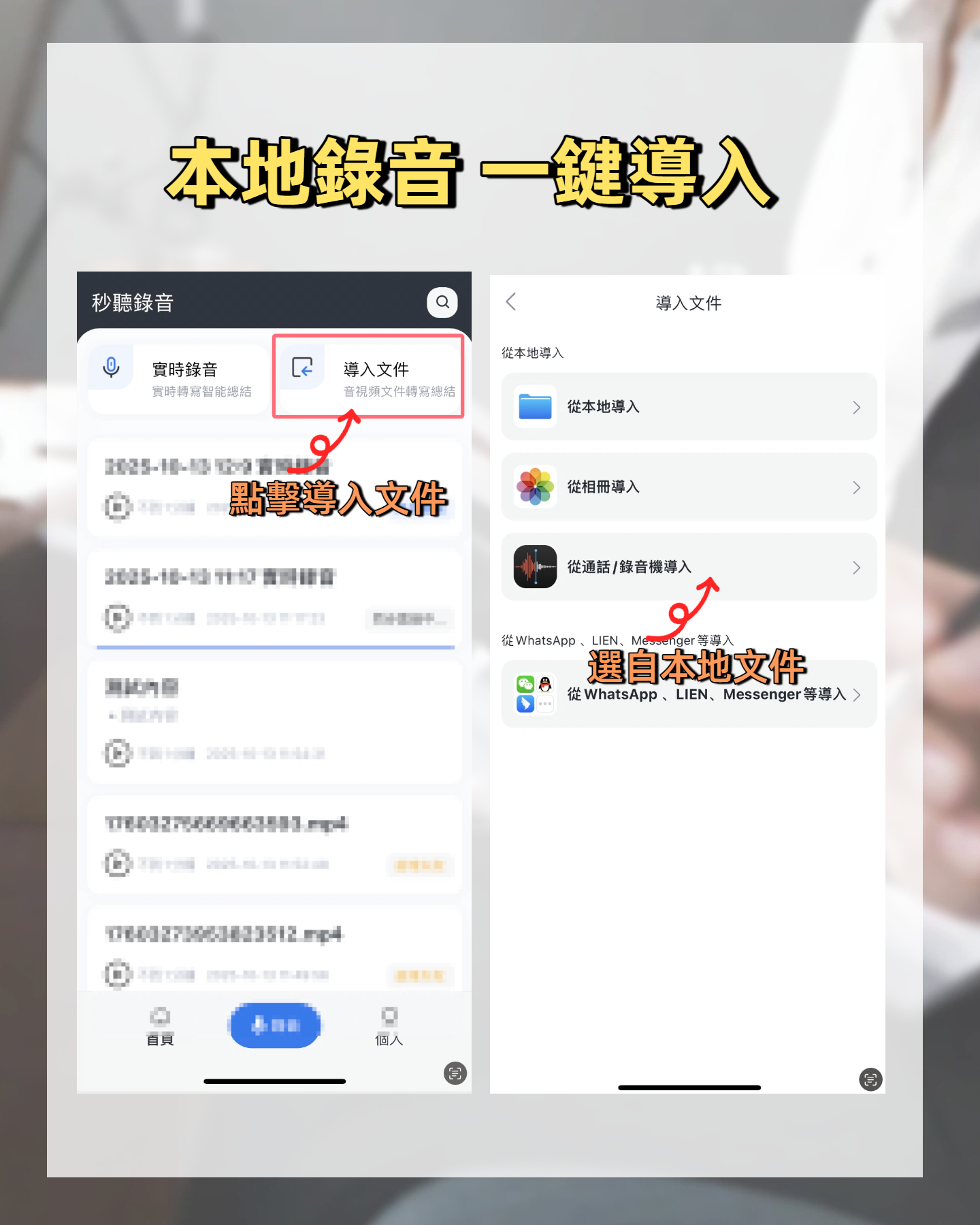
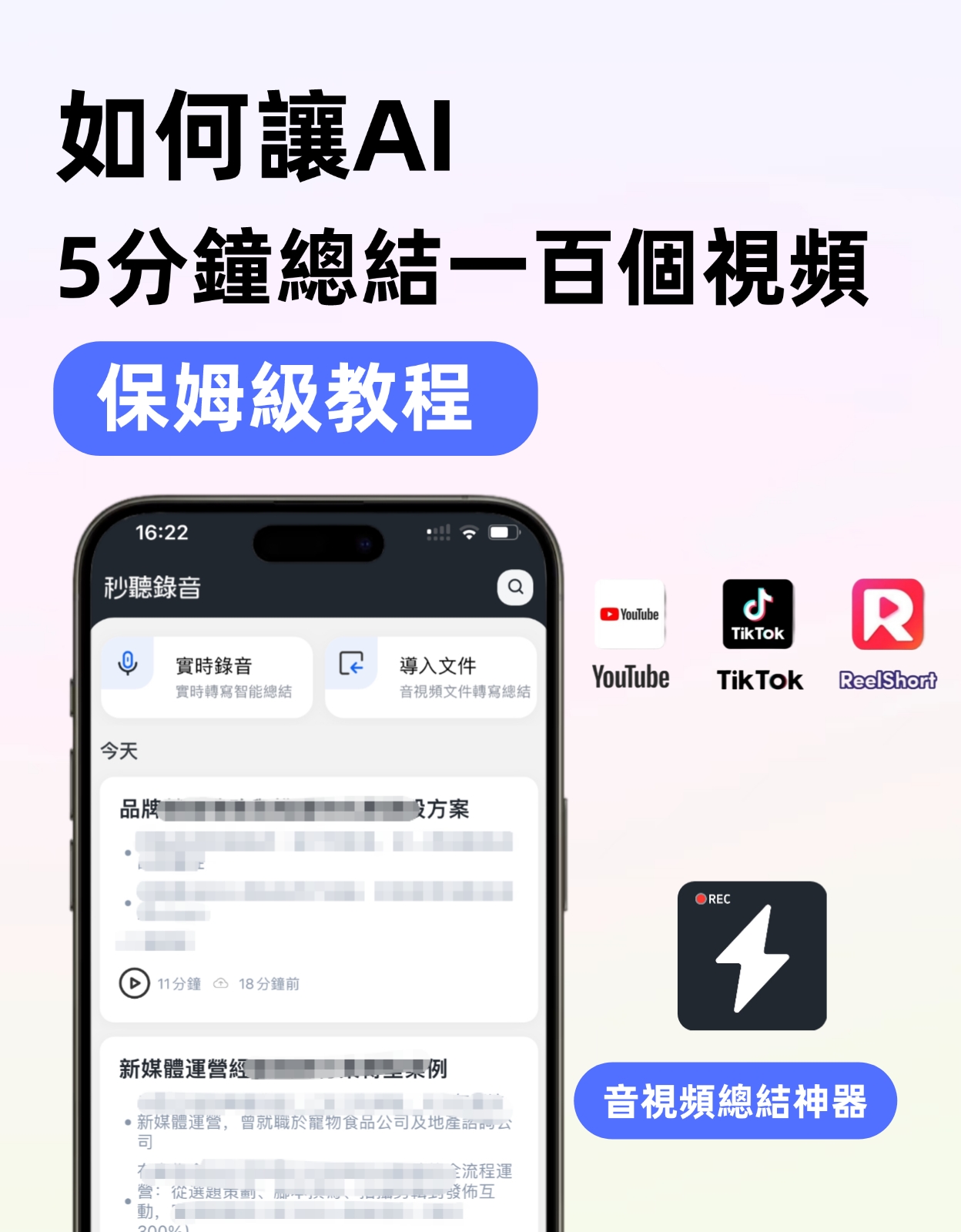
Both apps have iOS, Android, and web versions — a tie here. But Tinrec has a killer feature: you can directly paste links from YouTube, Bilibili, Xiaohongshu, etc., turning public classes or online instructional videos into text notes. Otter.ai cannot do this.
→ This dimension: Tinrec edges ahead.
Dimension 4|AI Q&A and Study Application
Otter.ai has an AI Chat feature that lets you ask questions about meeting content, but its answers are brief and cannot query across recordings.
Tinrec's AI Q&A is much more powerful: you can treat all your semester's recordings as a database and ask questions like "What were the key points from last week's Marketing class?" or "Which recording covers the final exam scope?" The AI directly provides answers with timestamps. This feature is extremely useful for studying and doing homework.
→ This dimension: Tinrec wins decisively.
Dimension 5|Pricing and Free Quota
Otter.ai's free plan offers 300 minutes of transcription, enough for light users. The Pro plan costs about $8.33 USD/month (approx. HK$65) annually and includes 1,200 minutes.
Tinrec also has a free version with basic monthly transcription hours sufficient for testing. If you have many class recordings, a weekly or monthly Pro card offers better value; an annual card even allows long-term recording data storage. Overall, Tinrec offers more flexibility without being locked into a monthly subscription.
→ This dimension: Both have their strengths, but for long-term use and Chinese content organization, Tinrec offers better value.
What Are Their Unique Advantages?
Tinrec's Unique Advantages
- Excellent Cantonese and Chinese content organization: The top choice for Hong Kong students, turning complex class recordings into searchable, reviewable notes.
- Direct transcription from online videos: Just paste a link from YouTube, Bilibili, etc., and Tinrec automatically generates summaries and text versions — super fast for note-taking.
- Cross-recording AI Q&A: Turn all your class recordings into a private database; directly ask for key points when studying, no need to re-listen to each segment.
- Rich export formats: Notes can be exported to Notion, Google Docs, etc., integrating seamlessly with your existing workflow.
Otter.ai's Unique Advantages
- High integration for English business meetings: If you later need to record English meeting minutes, Otter integrates well with Slack, Zoom, etc.
- Speaker identification: Automatically identifies who is speaking in multi-person meetings, useful for discussion-style classes, but still gets messy when multiple people talk simultaneously.
Summary: Which One Should You Choose?
• If you are a Hong Kong student who frequently records Cantonese classes and organizes notes → Tinrec (low error rate, excellent auto-generated notes) • If you want to convert YouTube instructional videos into text → Tinrec (Otter lacks this feature) • If you need cross-recording Q&A to save study time → Tinrec (AI Q&A is extremely practical) • If you only use English in class and need simple transcription → Otter.ai's free version is sufficient
In short: For Hong Kong students, Tinrec is a more complete class recording organization solution. We recommend downloading Tinrec's free version and testing it with your own class recordings — you'll see how convenient it is.
Turn every recording into actionable outcomes
Get 60 free transcription minutes when you sign in. No credit card required.
Related Reading
You might also like
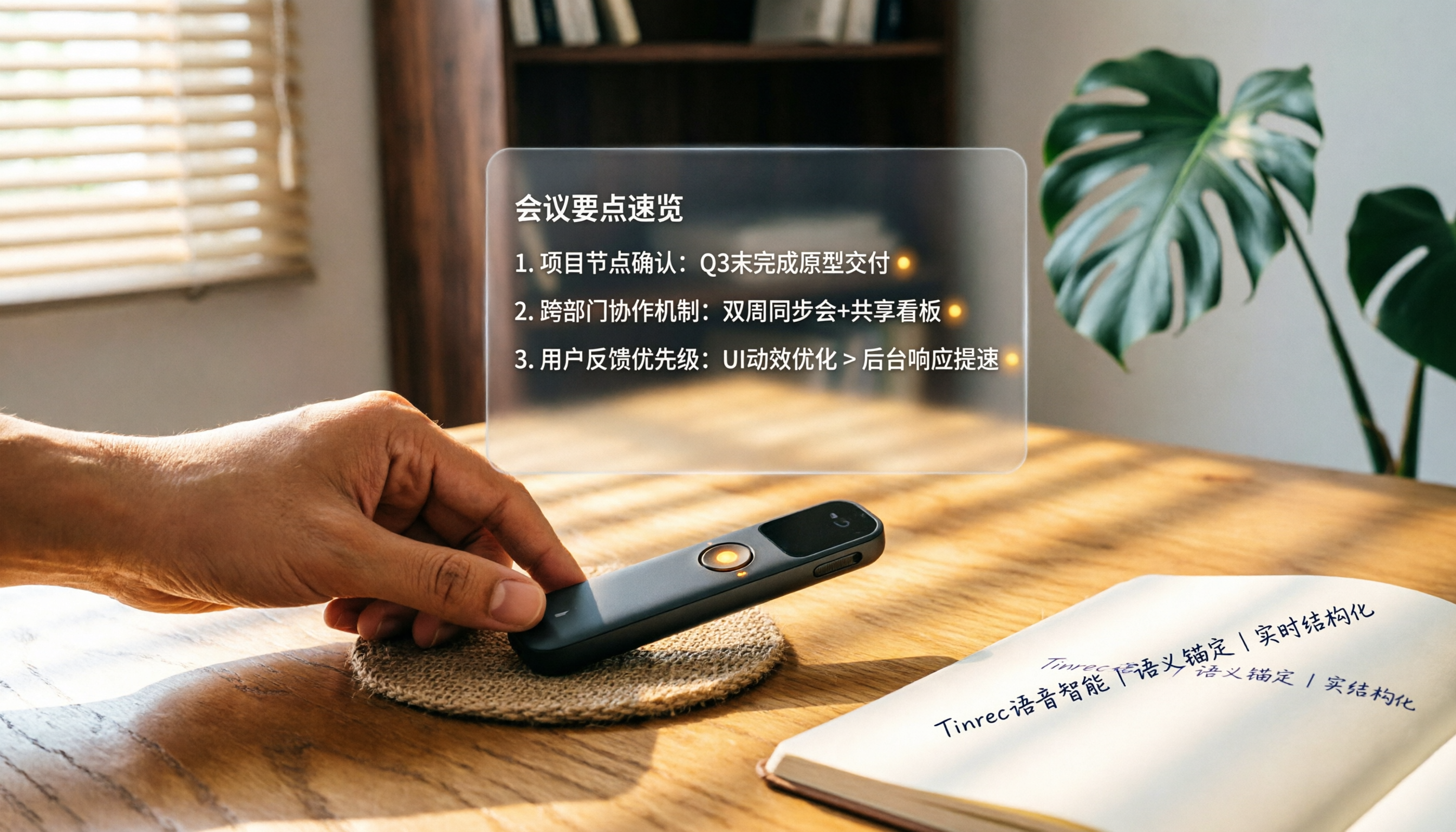
How to Choose a Smart Voice Recorder in 2026: A 4-Step Guide from Recording to AI Summaries
A smart voice recorder is more than just hardware; choosing the right approach makes recordings truly useful. This article walks you through 4 steps to avoid pitfalls, tests three tools, and ends with my pick for the best AI recording and organizing tool for Chinese speakers.
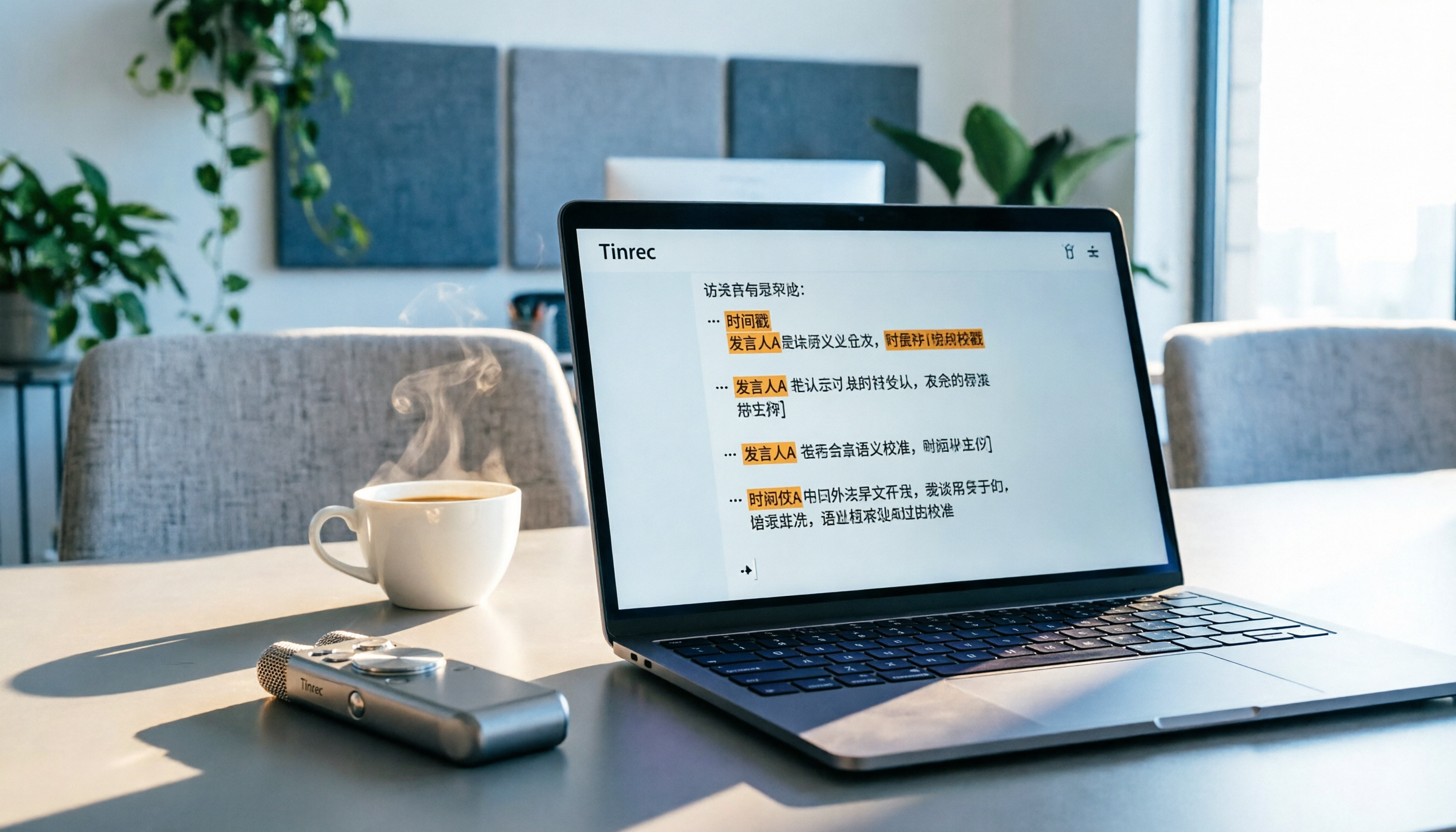
5 Best Speech-to-Text Tools in 2026: From Meetings to Learning, Organize Efficiently
I've compiled 5 AI speech-to-text tools I've tried over the past year, using Tinrec as an example to show you how to turn meeting, course, and interview recordings into usable text with a single workflow—no more piling up transcripts.

2026 Tested: 5 Recording Solutions Compared—Are Mobile Apps Really Better Than Voice Recorders?
Still debating whether to buy a voice recorder? What you really need is a tool that turns recordings into text and highlights key points. This article tests 5 recording-to-text and organization solutions, from free apps to AI recording hardware, to help you find the best fit—and explains why Tinrec is our top all-purpose recommendation.

2026 Long-Battery Voice Recorder Free Options: 5 Picks Reviewed
Running out of battery on your voice recorder during class is a nightmare? We tested 5 recording and AI organization tools, from free apps to paid plans, from a student's perspective to tell you which is best for long recordings, comparing battery life, audio quality, and AI features.

Tinrec vs Otter.ai 2026: A 5-Dimension Showdown for Students Needing Large-Capacity Audio/Video Organization
Tired of large recordings? A senior student tests Tinrec and Otter.ai, comparing input sources, Chinese accuracy, AI note features, free tiers, and pricing to see which tool better suits students' transcription needs, saving you money.

3 Workplace Voice Recorders Tested in 2026: Which One Is the Ultimate Meeting Notes Sidekick?
How should you choose a voice recorder for the workplace? We tested a traditional voice recorder, phone recording, and the AI recording app Tinrec, comparing portability, post-processing, and budget to find the best meeting note solution for office workers.

Voice Recorder vs. Phone Recording in 2026: How to Choose? 5 Steps to Build an Efficient Recording Workflow
Still torn between a voice recorder and your phone for recording? This article starts from real-world use cases, teaches you how to find the best recording solution in 5 steps, and tests the AI recording tool Tinrec to see how it solves the pain points of traditional recording, saving you hours of organizing time.

How to Choose a Cost-Effective Voice Recorder in 2026: 4 Steps to Compare Recorders and AI Tools
Thinking about buying a voice recorder but unsure how to evaluate value for money? This article compares traditional voice recorders and AI recording tools from perspectives like features, price, and post-processing, helping you pick the best recording solution.

2026 Test: AI Software vs. Hardware Noise Reduction for Voice Recorders—Which Keeps Meetings and Lectures Clearer?
I tested popular voice recorders and AI recording software, and found that hardware doesn't always beat software for noise reduction. This article compares Tinrec and PLAUD Note in real-world scenarios, covering noise reduction, organization features, and long-term use, to help you choose the right solution.