

Turn recordings into transcripts and summaries in minutes
Upload audio or video for multilingual transcription, AI notes, and action items
How to Record and Organize Google Meet Interviews in 2026: Tinrec Auto-Generates Transcripts, Summaries & Action Items
Tinrec vs Google Meet Built-in Transcription: Quick Overview
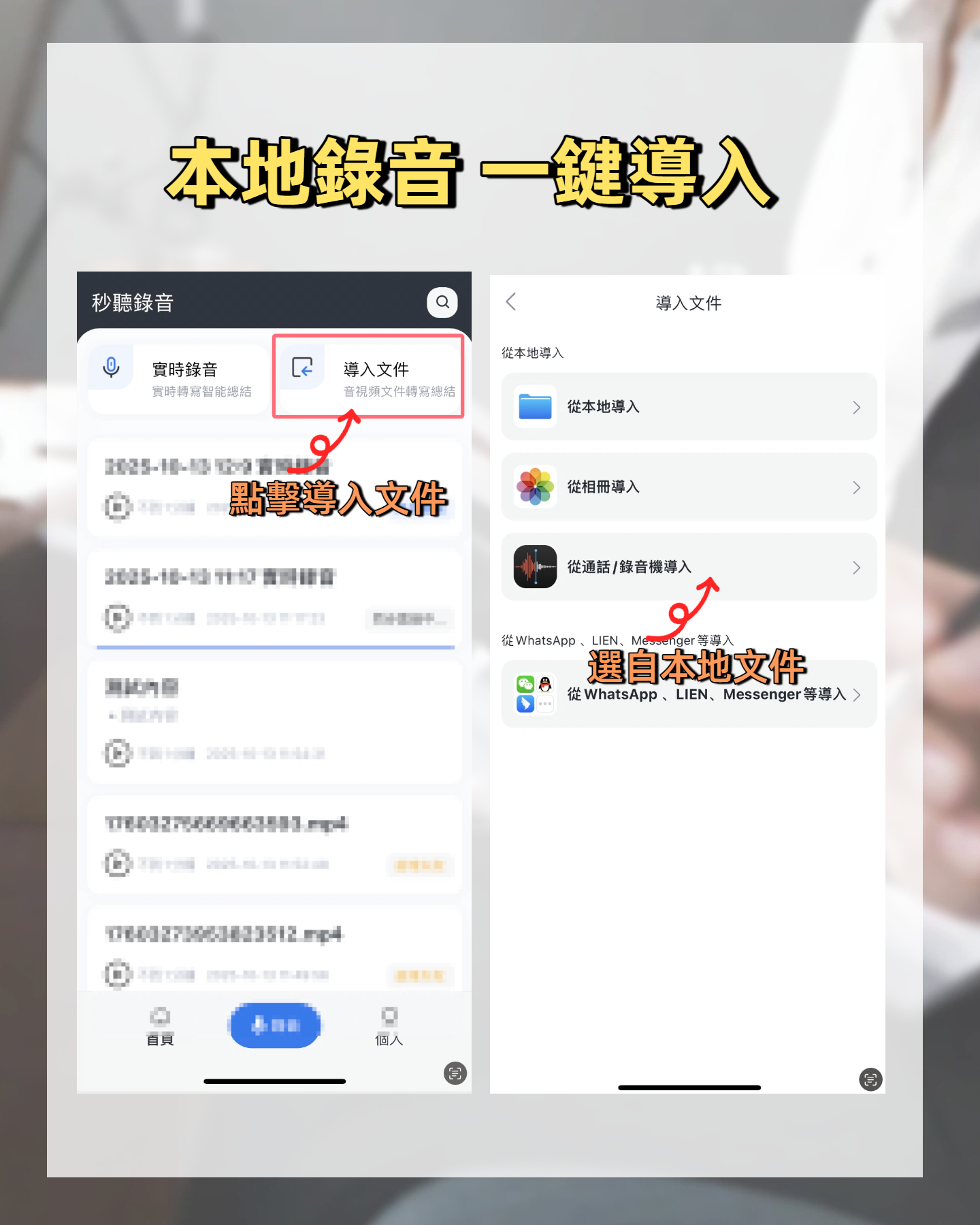
When it comes to landing a job, you don't want to miss a single word of the interview conversation. But Google Meet's built-in transcription only provides live captions that disappear when the meeting ends. Tinrec, on the other hand, automatically records both sides of the conversation, converts it into a searchable and exportable transcript, and even highlights key points and lists action items.
| Feature | Google Meet Built-in Transcription | Tinrec |
|---|---|---|
| Core Function | Live English captions during the meeting | AI-powered recording & transcription with auto-summarization and action items |
| Price | Requires paid Google Workspace (from ~$12/month) | Free tier with monthly transcription quota; Pro plan from US$8.33/month |
| Platform | Google Meet web/app only | iOS, Android, web; can record system audio |
| Key Difference | Captions only, no saving or summarization | Saved transcript, AI summary, action items, cross-platform export |
This article dives into five key dimensions: recording convenience, transcription accuracy, post-meeting organization, export flexibility, and cost. It helps you decide which tool is best for interview note-taking.
Dimension 1: Recording & Real-Time Transcription
Google Meet's live captions must be manually turned on by the host or account owner, and they only support English and a few other languages (no Chinese). If the interviewer speaks Chinese or mixes Chinese and English, the built-in captions fail completely. Plus, captions are not saved after the meeting ends, so you can't review them.
Tinrec supports system audio recording: just start recording before the interview to capture both sides of the conversation. It transcribes in real time and displays the text on your phone or computer. In a test with a 15-minute Chinese interview (MacBook + Chrome, quiet room), Tinrec immediately produced a readable transcript that could be replayed and edited later.
→ This dimension: Tinrec clearly wins—full recording and real-time transcription with no language limitations.
Dimension 2: Transcription Accuracy & Language Support
Google Meet's built-in captions work best in English. While it claims to support multiple languages, accuracy drops significantly for non-Western European languages like Chinese, Japanese, and Korean. It has no capability for Cantonese or mixed-language recognition. For Chinese interviews, built-in transcription is nearly unusable.
Stop organizing recordings by hand
Upload audio or video and automatically get a transcript, summary, and action items
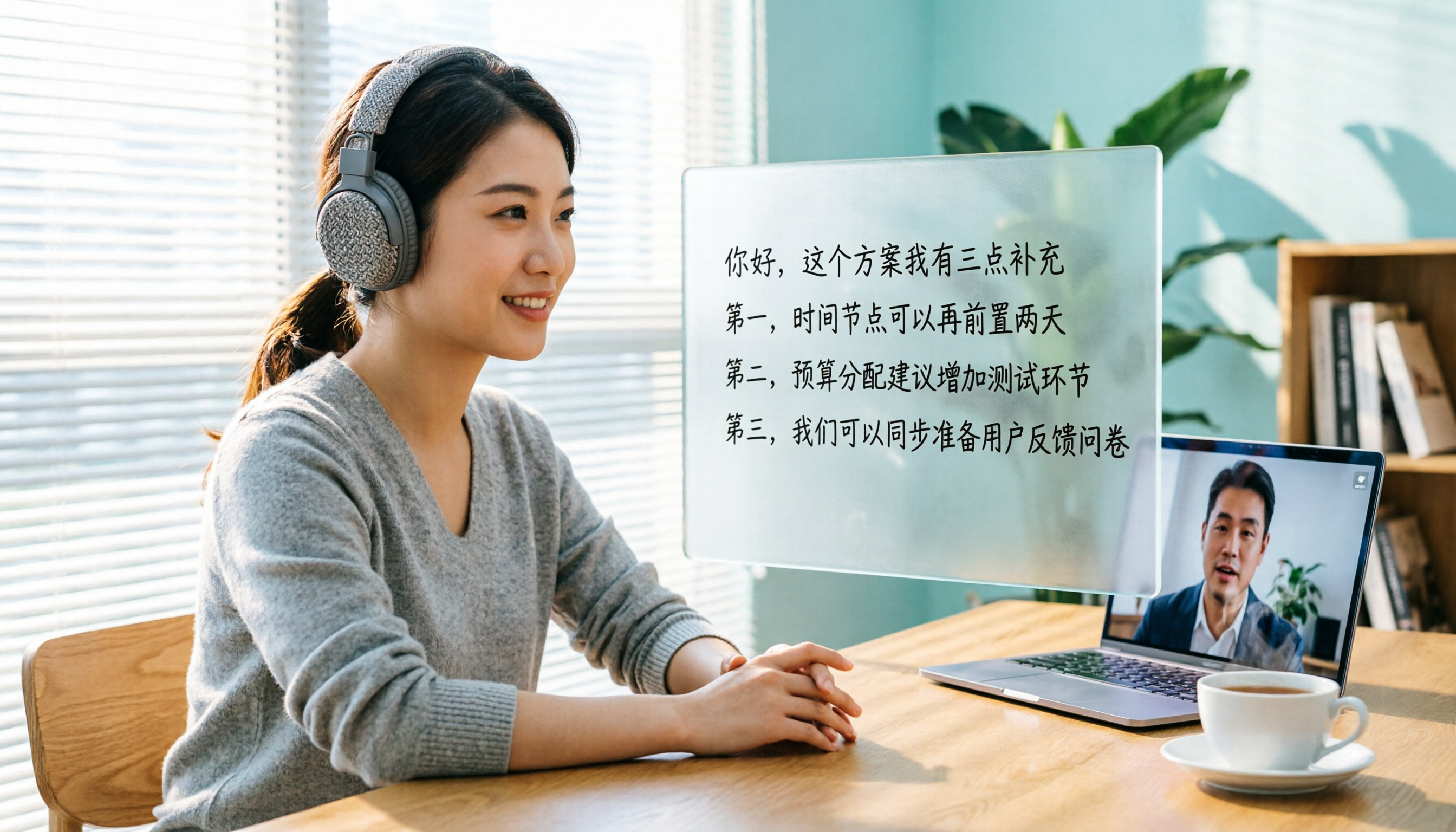
Tinrec is deeply optimized for Chinese (Simplified & Traditional) scenarios. We tested a 3-minute Chinese interview recording (with some English interjections and mild background noise). The word error rate was about 8-10%, and key terms were almost always correct. The AI summary correctly captured the core topics of the interviewer's questions. The image below shows Tinrec's real-time transcription of a Chinese-English mixed interview.
→ This dimension: Tinrec far surpasses—high-quality Chinese transcription and broader language coverage.
Dimension 3: Post-Meeting Organization (Summary, Action Items, Chapters)
Google Meet's built-in transcription provides only captions with no AI post-processing. To extract key points from a 30-minute interview, you have to manually transcribe and take notes, taking at least an hour.
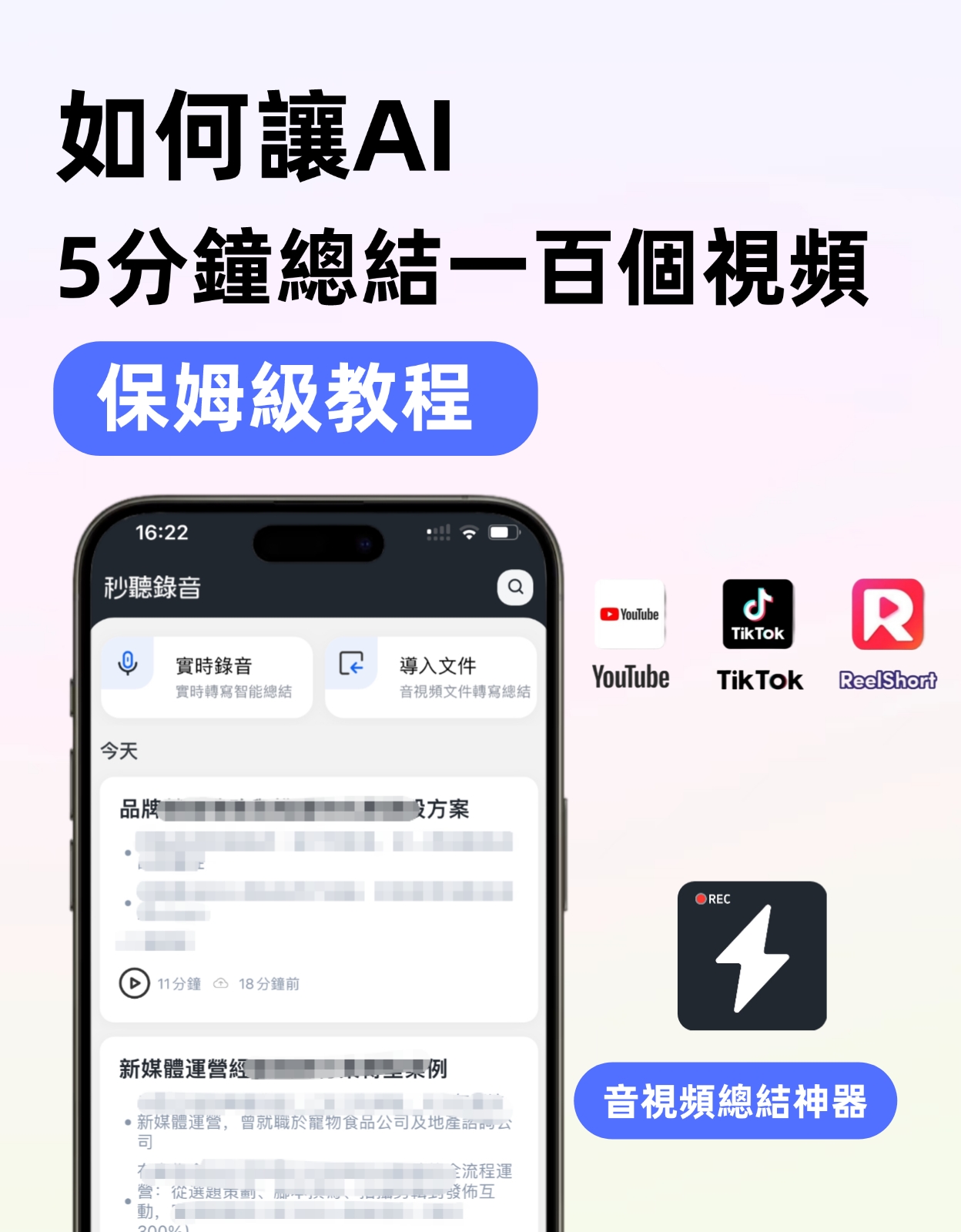
After recording, Tinrec automatically generates an AI summary that condenses the entire interview into a few hundred words. It also auto-splits the conversation into chapters (e.g., self-introduction, technical questions, closing questions) and extracts action items from the dialogue, such as "Send portfolio by next Tuesday." The image below shows Tinrec's auto-generated meeting minutes and action list.
→ This dimension: Tinrec dominates, saving 80% of post-meeting time.
Dimension 4: Export & Cross-Platform Use
Google Meet captions cannot be exported; you can only view them during the meeting.
Tinrec supports multiple export formats, including TXT, Word, SRT subtitles, and PDF. It can also sync to note-taking tools like Notion, Google Docs, and OneNote with one click, allowing your interview notes to flow directly into your workflow. Cross-platform: whether you're on iPhone, Android, or a computer, you can access recordings and transcripts anytime. You can even paste a meeting recording link received later and have Tinrec transcribe it.
→ This dimension: Tinrec wins—diverse exports and truly cross-device.
Dimension 5: Cost & Long-Term Value
Google Workspace's live captions feature is only available in Business Standard and above (about US$12/user/month), and you only get captions—all other organization is up to you.
Tinrec offers a free tier with a basic monthly transcription quota, enough for occasional interviews. For intensive job hunts, the Pro plan is just US$8.33/month (annual billing), providing generous transcription hours, AI Q&A, and agent-based meeting reports. Over the long term, you can build a searchable database of all your interview recordings for review anytime.
→ This dimension: Tinrec offers superior value; the free tier already covers basic needs.
What Are Their Unique Advantages?
Tinrec's Unique Advantages
- Not just meetings—perfect for interviews, lectures, podcasts, and online videos. One app handles all recording and transcription needs.
- Beyond transcripts: AI summary, action items, chapter splitting—directly produces actionable deliverables.
- Built-in AI Q&A: query details like "What weakness did the interviewer care about most?"
- Cross-platform sync: record on phone, view on computer, export to Notion or Google Docs for further editing.
Google Meet Built-in Transcription's Unique Advantages
- No installation required: one-click captions in Google Meet—easiest for light use.
- Sufficient for pure English meetings where only real-time assistance is needed.
Conclusion: Whom Should You Choose?
- If you need full recording, accurate transcription, and automatic key points & action items → Tinrec (must-have for interviews)
- If the interviewer speaks Chinese or mixes languages → Tinrec (built-in captions don't support)
- If you want to quickly send a thank-you note or track follow-ups after an interview → Tinrec (AI summary + action items in one go)
- If you don't want to pay for Google Workspace's advanced tier → Tinrec (free tier works)
- If you only attend pure English meetings and just need to follow along → Google Meet built-in captions are enough
Bottom Line: For job seekers or recruiters who need to retain, review, and organize interview records, Tinrec is the more complete choice. Download the free Tinrec app and record your next interview to see the difference.
Turn every recording into actionable outcomes
Get 60 free transcription minutes when you sign in. No credit card required.
Related Reading
You might also like
How to Save Chat Messages in Google Meet? 2026 Meeting Note Tools Recommendation, Tinrec Top Pick
When meeting on Google Meet, text messages are scattered everywhere, making it hard to organize later. This article tests 5 tools, teaches you how to fully record meeting content, Tinrec stands out for its AI summarization and Q&A features.

2026 Comparison of 2 Meeting Note Tools: After Replacing Facetime with Google Meet, Which One Handles Chinese Meetings Better?
After switching from Facetime to Google Meet for meetings, how can you efficiently take notes? This article compares Tinrec and Otter.ai in real tests, covering Chinese transcription, multi-source support, and AI summarization, to tell you which is better for Chinese users.

2026 Comparison of 3 Ways to Use Google Meet in China: Free Recording and Organization with Tinrec
When using Google Meet in China, unstable internet and messy meeting notes are common headaches. This article tests 3 solutions and shows you how to easily transcribe, summarize, and extract action items for free with Tinrec—no more manual work.

2026 4 Google Meet Recording to Text Tools Tested and Compared: Which Saves the Most Time?
Struggling to turn meeting recordings into text? We tested Tinrec, Plaud Note, Yating Transcript, and Otter.ai, comparing Cantonese accuracy, AI Q&A, cross-platform compatibility, and free tier limits to help you pick the most time-saving tool.
2026 Google Meet Recording Tools Comparison: 4 Tested, Best for Chinese Meeting Notes
Tired of manually summarizing Google Meet meetings? We tested 4 voice-to-text tools and recommend the best solution for Chinese speakers, plus buying tips and common pitfalls.

Free Google Meet Meeting Notes Tools 2026: A Look at 3 Options
Tired of spending hours transcribing Google Meet recordings? We tested 3 free AI meeting note tools, analyzing accuracy, AI summaries, cross-platform support, and language compatibility to help you find the best free solution that turns meeting recordings into searchable, actionable knowledge.

5 Google Meet Meeting Note Tools Tested in 2026: Which Free Plan Is Best?
Struggling to turn Google Meet recordings into text and summaries? This article tests 5 tools including Tinrec, Otter.ai, Fireflies.ai, comparing free plans, AI summaries, and Chinese support to help you find the perfect meeting note taker.

The Ultimate Guide to Google Meet Meeting Notes in 2026: Auto-Generate Summaries and Tasks with Tinrec
This guide teaches you how to use Tinrec to instantly transcribe Google Meet recordings, automatically generate summaries, to-do lists, and AI-powered Q&A, streamlining your workflow from invitation to post-meeting organization.

2026 Google Meet Built-in Transcription vs Tinrec: A 5-Dimension Comparison – Which Saves Hong Kong Professionals More Time?
Tired of manually taking meeting notes during Google Meet calls? Google Meet's built-in transcription is free, but is it enough? This article compares Google Meet and Tinrec across five dimensions: Cantonese recognition, AI summaries, cross-platform support, offline file processing, and export features. Find out why Tinrec is the real AI recording tool that saves time.