

Turn recordings into transcripts and summaries in minutes
Upload audio or video for multilingual transcription, AI notes, and action items
Google Meet Free Plan in 2026: Limits and 5 Meeting Notes Tools Compared
Many people assume that "Google Meet free" means every feature is free.
It's not until you need to record a meeting or host a department meeting longer than an hour that you discover the record button is nowhere to be found—and the screen is still stuck at 60 minutes.
This article lays it all out: what the free version actually gives you, what you get for your money with the paid version, and how to handle the "meeting notes" gap that the free version can't fill.
Is Google Meet Free? A Look at What the Free Version Actually Covers
The answer is yes—there is a free version, and you can host meetings with just a free Google account.
Here are the key specs of the free version:
- Meeting participants: up to 100 attendees.
- Group meeting duration: 60 minutes for meetings with 3 or more people.
- One-on-one calls: up to 24 hours.
- Cost: $0; join from any browser.
Keep in mind that the free version is "free to meet," not "free meeting notes."
After the meeting ends, transcripts, summaries, and action items are all on you by default.
How Does the Free Version Differ from Paid Workspace?
First, a common misconception: Google Meet doesn't have a standalone paid version.
What you're actually subscribing to is Google Workspace, and Meet is just one tool in the suite. The same plan also includes Gmail, Google Drive, Docs, Sheets, Calendar, and more.
| Item | Free Personal | Paid (Google Workspace) |
|---|---|---|
| Cost | $0 | Subscription; third-party estimates start at about USD 7/seat/month |
| Max meeting participants | 100 | Increases by plan |
| Group meeting length | 60 minutes | Extends by plan |
| Recording | Not included | Included (by plan) |
| Storage and AI summaries | None | Provided by plan |
| Included tools | Meet only | Gmail, Drive, Docs, Calendar, etc. |
Pricing and benefits vary by plan and region; check the official page before purchasing.
Simply put: the free version is enough for meetings, while the paid version is for teams that need recording, longer meetings, and management capabilities.
By the way, inviting international participants to a video meeting doesn't cost extra.
The Biggest Gap in the Free Version: No Recording, No Transcript
According to current plan descriptions, the free personal version generally doesn't include recording—recording is a paid Workspace capability.
This means if you use the free version for a 60-minute meeting, all you'll have afterward is your own notes.
So most people's practical approach is: keep using Google Meet for meetings, and bring a separate meeting notes tool for transcription and organization.
Below are 5 tools I'd look at first.
Option 1 | Tinrec — Turn Meetings into Searchable, Collaborative Data
Tinrec is an AI meeting notes and collaboration tool for individuals and teams, and it's the one on this list that handles "post-meeting organization" most concretely.
Its biggest differentiator is how it captures audio. The desktop version directly captures your computer's system audio—no need to invite a meeting bot into Google Meet—and can record and transcribe in real time. It works the same way with Zoom, Microsoft Teams, and Webex.
After transcription is where it shines: it automatically generates summaries, chapters, and action items, and you can even ask AI questions about the meeting content or generate reports, tables, and documents.
Chinese-language meetings are its strong suit—it supports mixed Chinese-English, real-time translation, and bilingual comparison. Teams can also maintain custom vocabulary to improve recognition of product terminology.
On pricing, the personal version offers a free tier, weekly pass, Pro monthly, and Pro annual—choose based on your usage frequency. The team version offers a 7-day trial for first-time eligible users (1 free seat, 300 minutes of shared team import quota). Monthly billing is USD 29.80/paid seat/month; annual billing is USD 199/paid seat/year (about USD 16.58/month). Each paid seat gets 2,000 minutes of shared import quota per month, and real-time recording under an active plan is currently not deducted by the minute.
Who it's for: people whose meetings are primarily in Chinese and who want transcripts, summaries, and action items right after the meeting; teams that need to share meeting data can look at its team spaces, roles, and seat management.
Option 2 | Otter.ai — A Veteran Assistant for English Business Meetings
Otter.ai is a mature AI meeting assistant with the longest track record in English business meetings.
The free Basic plan offers 300 minutes per month; Pro annual billing works out to about USD 8.49/user/month, including 1,200 minutes per month and 10 file imports. Business and above add more management capabilities.
Stop organizing recordings by hand
Upload audio or video and automatically get a transcript, summary, and action items
Who it's for: multinational teams whose meetings are almost entirely in English and who are already comfortable with the Otter workflow.
Option 3 | Granola — No Bot, Take Notes While You Meet
Granola also takes a bot-free approach, capturing system audio and microphone on the desktop, then combining your handwritten notes with AI content.
Basic is free, Business is USD 14/user/month, and Enterprise is USD 35/user/month. Note that it doesn't save meeting audio files and doesn't support uploading pre-recorded audio.
Who it's for: people who are used to typing notes during meetings and value note quality over complete recordings.
Option 4 | Notta — Multilingual Transcription and File Processing
Notta covers multi-platform transcription, meeting notes, file import, and translation, with significant overlap with Tinrec.
The free version offers 120 minutes per month with a maximum of 3 minutes per item; Pro annual billing works out to about USD 8.17/month with 1,800 minutes per month; Business annual billing works out to about USD 16.67/seat/month.
Who it's for: people who need multilingual transcription and also have existing audio files to organize.
Option 5 | TurboScribe — A Cost-Effective Choice for High-Volume Transcription
TurboScribe is closer to a file transcription tool, focusing on long documents, batch uploads, subtitles, and translation.
The free version allows 3 files per day with a 30-minute limit per file; Unlimited annual billing is USD 120 (about USD 10/month), with a maximum of 10 hours or 5 GB per file and up to 50 files per upload.
Who it's for: people who already have audio files and need to convert large volumes to text but don't need real-time meeting features.
With So Many Options, How Should You Choose?
- Want to capture transcripts and summaries while meeting in Google Meet → Tinrec; the desktop version doesn't require inviting a bot into the meeting.
- Meetings are mainly in Chinese or mixed Chinese-English → Tinrec; Chinese and bilingual scenarios are its main battleground.
- Need to deliver reports, tables, or meeting minutes afterward → Tinrec; its Agent post-processing can directly generate documents.
- Team needs to share meeting data and manage members and usage → Tinrec team version, with roles, seats, usage analytics, and audit logs.
- Need cross-device use (record on phone, organize on computer) → Tinrec; available on web, desktop, and mobile.
- Meetings are all in English and you're already familiar with the Otter ecosystem → Otter.ai.
- Just want to transcribe audio files afterward, volume over quality → TurboScribe.
- Need multilingual file transcription on a limited budget → Notta.
- Prefer handwritten notes and just want AI enhancement → Granola.
5 Things to Know Before You Use These Tools
1. The free version has no recording; prepare a separate tool. This isn't a settings issue—it's a plan difference. Confirm your needs before deciding whether to upgrade to Workspace.
2. Inform participants before recording. Regulations vary by location, and consent should be obtained when required. This applies to any tool.
3. Transcription isn't 100% accurate. Audio quality, accents, multiple people speaking at once, and technical terminology all affect results. For important decisions, cross-reference the transcript timestamps with the recording. Tools like Tinrec can greatly reduce manual organization time, but they shouldn't completely replace human verification.
4. Free quotas are calculated differently. Some give minutes per month, some limit per-session length, and some count files. Before comparing, estimate how many minutes you'll use in a week.
5. "Roles" and "seats" in team versions are two different things. Roles determine who can manage the team; seats determine who can record, upload, and edit. Members without a seat can usually still view and play team data but cannot perform resource-consuming operations.
Frequently Asked Questions
Q: Is Google Meet really completely free?
The free version is indeed $0—you can host meetings with a free Google account, with a limit of 100 participants and 60 minutes for group meetings. But recording, longer meetings, and advanced management features require a Google Workspace subscription.
Q: Can I record video or audio on the free version?
According to current plan descriptions, the free personal version doesn't include recording. In practice, a common approach is to use Google Meet for the meeting and pair it with a desktop tool like Tinrec for recording and transcription.
Q: How many people can join a free meeting, and how long can it last?
Up to 100 participants; group meetings with 3 or more people are limited to 60 minutes; one-on-one calls can last up to 24 hours.
Q: Does inviting international participants cost extra?
Video meetings over the internet don't require extra payment—that's one of the practical aspects of the free version.
Q: How much does the paid version cost?
Paid is essentially a Google Workspace subscription. Third-party estimates currently start at about USD 7 per seat per month; actual amounts vary by plan, number of seats, and region—check the official page for details.
Q: Do I need a Google account to host a meeting?
Yes, you need a free Google account to host a meeting. Creating one takes about a minute, mainly for security reasons.
Conclusion
Is Google Meet free? Yes, and it's sufficient for most everyday meetings.
The real question isn't "should I pay to meet" but "what happens after the meeting"—the free version has no recording or transcript, and that gap will eventually need to be filled.
If you only meet occasionally, stick with the free version. If you meet every week and need to organize minutes and action items afterward, a tool like Tinrec—which can record without a bot, automatically generate summaries and action items, and store data in team spaces—will solve the problem more directly than upgrading Workspace.
When choosing, don't just look at price. Look at your weekly meeting volume and what you need to deliver afterward—the answer is usually clear.
References
Turn every recording into actionable outcomes
Get 60 free transcription minutes when you sign in. No credit card required.
Related Reading
You might also like
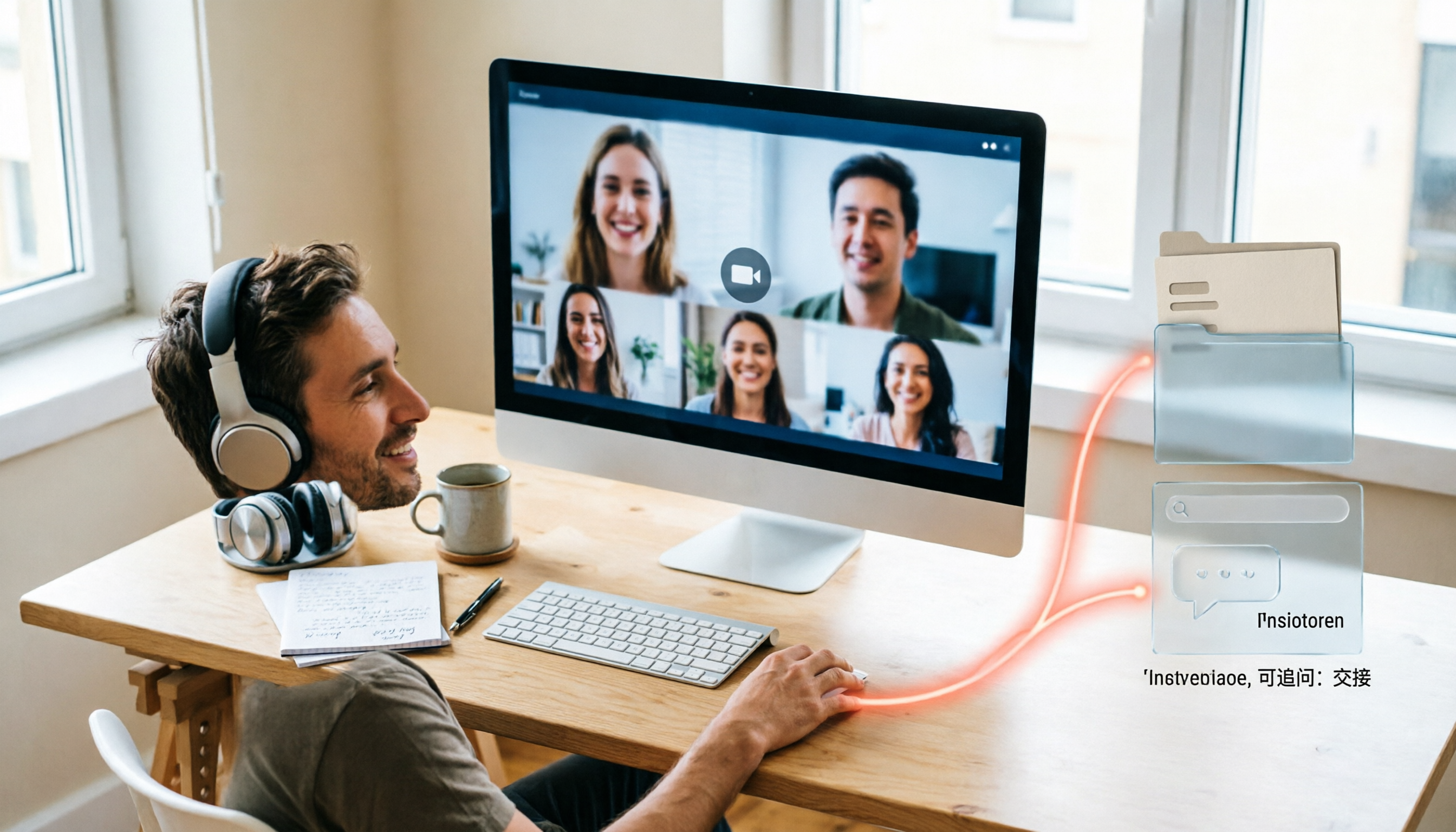
Google Meet Recording in 2026: Can You Be Recorded, Where Files Go, and How to Organize Them
Will Google Meet record your meeting? The answer depends on your plan eligibility and whether someone presses the record button. This complete guide starts with 'can it be recorded?' and explains the conditions for recording, where files are stored, and how to turn meetings into searchable, queryable, and shareable resources after recording.

5 Best Google Meet Note Takers in 2026: Tested for Bot-Free Meeting Notes
A mid-level manager who attends over a dozen meetings a week tested five Google Meet note-taking tools, comparing audio capture methods, Chinese and mixed-language recognition, post-meeting usability, and how team data is retained. Here's why Tinrec ended up in the workflow, and who Otter.ai, Fireflies.ai, and Notta are best for.

Google Meet Time Limits in 2026: 5 Tools Tested and Recommended
Does Google Meet have a time limit? Free accounts end group meetings after 60 minutes, and even paid Workspace plans cap at 24 hours—there is no truly "unlimited" version. This guide breaks down the time limits for each plan and compares 5 practical solutions, including paid upgrades, free alternatives, and meeting transcription tools, to help you choose the best approach for your needs.

Google Meet on Mac: 2026 Guide to 4 Options Tested and Recommended
There's no native Google Meet desktop app for Mac—should you use a browser, PWA, or third-party tool? This guide covers 4 key points for using Google Meet on Mac and compares Tinrec, Otter.ai, Granola, and Notta on bot-free recording, Chinese transcripts, post-meeting organization, and team collaboration to help you choose the best option.

4 Best Google Meet Headsets to Try in 2026: Clear Mic and Meeting Notes Made Easy
Hands-on review of 4 recommended Google Meet headsets in 2026, covering microphone clarity, noise cancellation, comfort, and connection stability. Plus, why a headset only solves half the problem—and how Tinrec saves time with meeting notes and follow-ups.
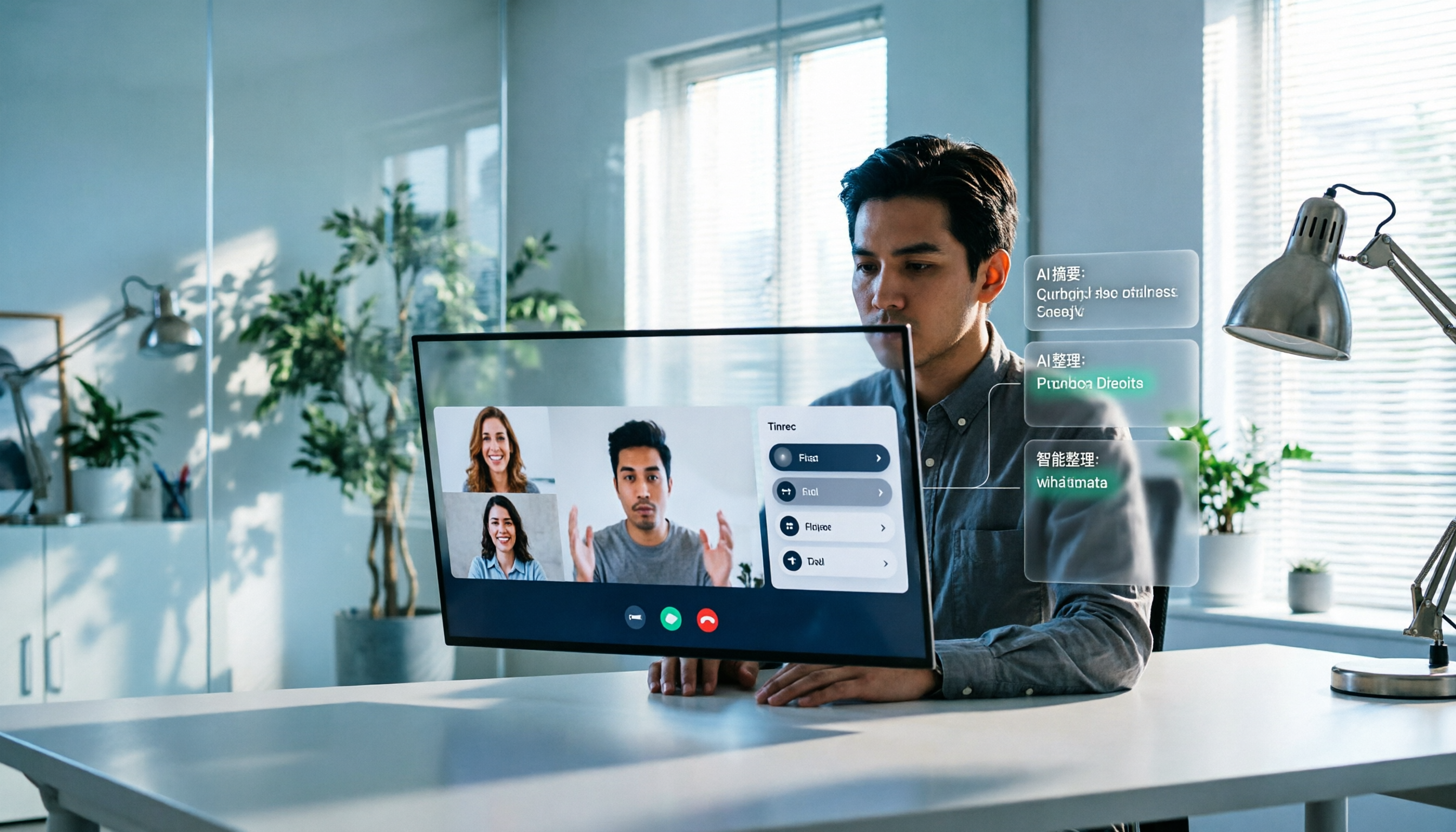
Google Meet Recording in 2026: Complete Guide to Auto-Recording, Permissions, and Organizing Your Files
Google Meet calls do not record automatically. Only eligible paid Workspace users can manually start a recording, and the file is saved to the host's Google Drive. This guide addresses the question "Will I be recorded?" by explaining permissions, file locations, participant notifications, and how, within these limitations, Tinrec desktop's bot-free recording with AI summaries and action items works in practice.

5 Google Meet Alternatives Compared for 2026: How Tinrec Fills the Meeting Notes Gap
Before you replace Google Meet, figure out whether you're trying to fix 'the meeting' or 'the lack of organized notes after the meeting.' This article compares two approaches to Google Meet alternatives from a mid-level manager's practical decision-making perspective, and explains how Tinrec fills the meeting record gap that Meet leaves behind with bot-free desktop recording, transcripts, AI summaries and action items, and team spaces.

2026 Google Meet Recording Tools Buyer's Guide: 6 Tested Picks & Recommendations
A mid-level manager who runs 15 meetings a week shares hands-on testing of 6 Google Meet recording tools in 2026—Google Meet built-in recording, Otter.ai, Fireflies.ai, Notta, Granola, and Tinrec—comparing bot-free recording, Chinese transcription, post-meeting outputs, and team plans, with scenario-based recommendations.

How to Auto-Record Google Meet in 2026: Default Settings & Guaranteed Recording
Google Meet does not record automatically by default—a fact many discover too late. This guide walks you through 5 steps to check your plan permissions, enable auto-recording, locate files after meetings, and set up a bot-free backup recording workflow that doesn't rely on Workspace settings.