

Turn recordings into transcripts and summaries in minutes
Upload audio or video for multilingual transcription, AI notes, and action items
Why You Need a Google Meet Recording Tool
Google Meet is a free and easy-to-use video conferencing service, but the free version doesn't include built-in recording. If you want to keep meeting content for records, you'll need a third-party tool.
Beyond recording, many people want automatic transcription, summaries, and even to-do lists to save manual effort. This article covers 5 tools that work with Google Meet for recording and transcription, from free to paid options, to help you find the right choice.
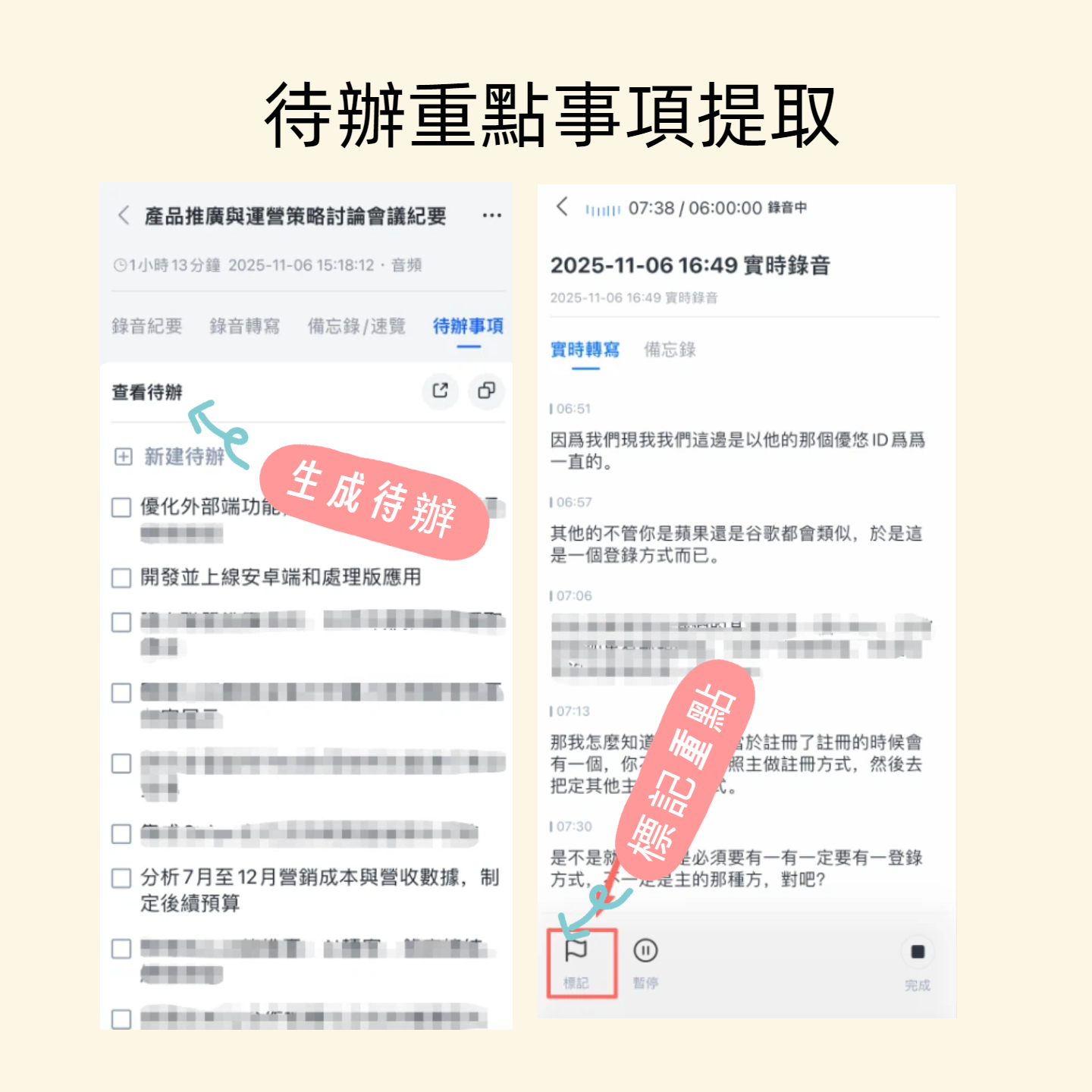
Option 1: Tinrec (Instant Recording) – The Most Complete AI Recording and Audio/Video Assistant
Tinrec is an AI tool that integrates real-time recording, file transcription, and online video analysis, especially suitable for turning Google Meet content into organized data. You can open the desktop version, select "Record" to capture system audio, and the discussion will be transcribed in real time. After the meeting, it automatically generates summaries, chapters, and to-do items.
The best part is that it doesn't just give you a transcript—you can also use the AI Q&A feature to query past meetings like a database, for example, "What was the budget number discussed last time?" It supports Windows, Mac, iOS, Android, and web, so cross-device use is seamless.
The free plan offers basic transcription credits, suitable for light use. For longer recording time and more features, you can choose the Pro monthly or annual plan, ideal for office workers or students with multiple meetings per week.
Option 2: Otter.ai – A Well-Known AI Meeting Notes Tool
Otter.ai is a veteran meeting note service that can automatically join Google Meet, Zoom, and other meetings, providing real-time transcription with speaker labels. The free plan offers 300 minutes of transcription per month, enough for most light users. Its strengths are English recognition and team collaboration features, making it suitable for those who meet with international colleagues. The paid Pro plan costs $8.33/month and offers longer transcription time.
Stop organizing recordings by hand
Upload audio or video and automatically get a transcript, summary, and action items
Option 3: Notta – Multi-Platform Transcription and Translation Tool
Notta supports web, app, and browser extensions, allowing you to capture Google Meet audio and transcribe it. The free plan gives 120 minutes per month, suitable for occasional meeting notes. It also offers real-time translation, useful for multilingual transcription needs. The Pro plan is around $8.17/month with 1800 minutes per month, ideal for frequent users.
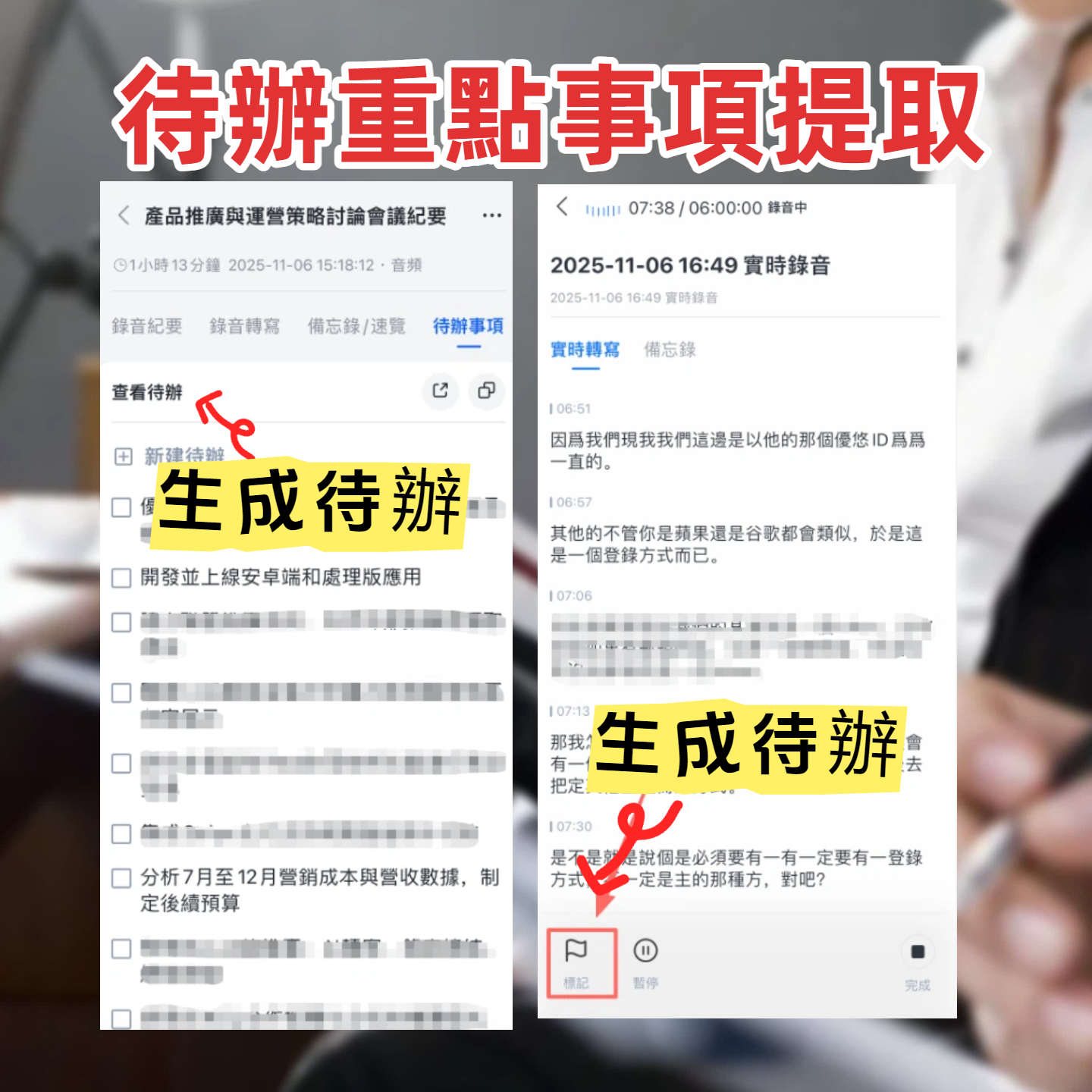
Option 4: Fireflies.ai – Automated Meeting Notes and CRM Integration
Fireflies.ai automatically joins Google Meet to record and transcribe, then sends a summary to your email and syncs highlights to tools like Slack and Notion. The free plan offers unlimited transcription minutes but limited storage. It excels in CRM integration for sales teams, making it suitable for users who want automatic archiving of meeting notes. The Business plan is $19/month with more complete features.
Option 5: Tactiq – A Lightweight Real-Time Transcription Extension for Google Meet
Tactiq is a Chrome extension that displays live captions in the Google Meet sidebar and saves transcripts. The free plan provides 10 transcriptions per month, perfect for very light needs. It's simple to use, no additional software required, and suitable for users who just want quick text without extra organization features.
With So Many Options, How Do You Choose?
- For the most complete AI organization (transcription + summary + to-do + AI Q&A) → Tinrec. It not only records but turns meeting content into a reusable knowledge base, and supports Windows and Mac. Just record directly on your computer for Google Meet.
- For accurate English recognition and team collaboration → Otter.ai. Its English transcription quality is excellent, and team sharing is convenient.
- For frequent multilingual translation, especially Chinese/Japanese/Korean → Notta. Real-time translation is very useful.
- For automated meeting workflows and internal system integration → Fireflies.ai, suitable for sales or project teams.
- For occasional quick notes without installing any software → Tactiq, a browser extension you can use instantly.
If your main use case is Google Meet meetings and you want automatic summaries and to-dos after recording, plus the ability to query past content, Tinrec is the most integrated choice.
3 Things to Know Before Using Google Meet Recording Tools
- Audio quality determines transcription accuracy: Use a headset microphone or ensure a quiet environment and stable internet. Tinrec works well with clear audio sources.
- Free plans have limits: Tinrec's free plan offers basic credits—try it to see if it meets your needs. Other tools like Otter (300 min/month), Notta (120 min/month) require upgrades when exceeded.
- Be mindful of recording permissions and privacy: Inform participants before recording to avoid disputes. Tinrec saves data in your account and offers export options.
Summary
While Google Meet is great, it lacks free recording and transcription. These 5 tools fill that gap. If you want a one-stop solution from recording to organizing and reusing, Tinrec is the most worth trying. Start with the free plan to experience it, then decide if you want to upgrade.
Turn every recording into actionable outcomes
Get 60 free transcription minutes when you sign in. No credit card required.
Related Reading
You might also like
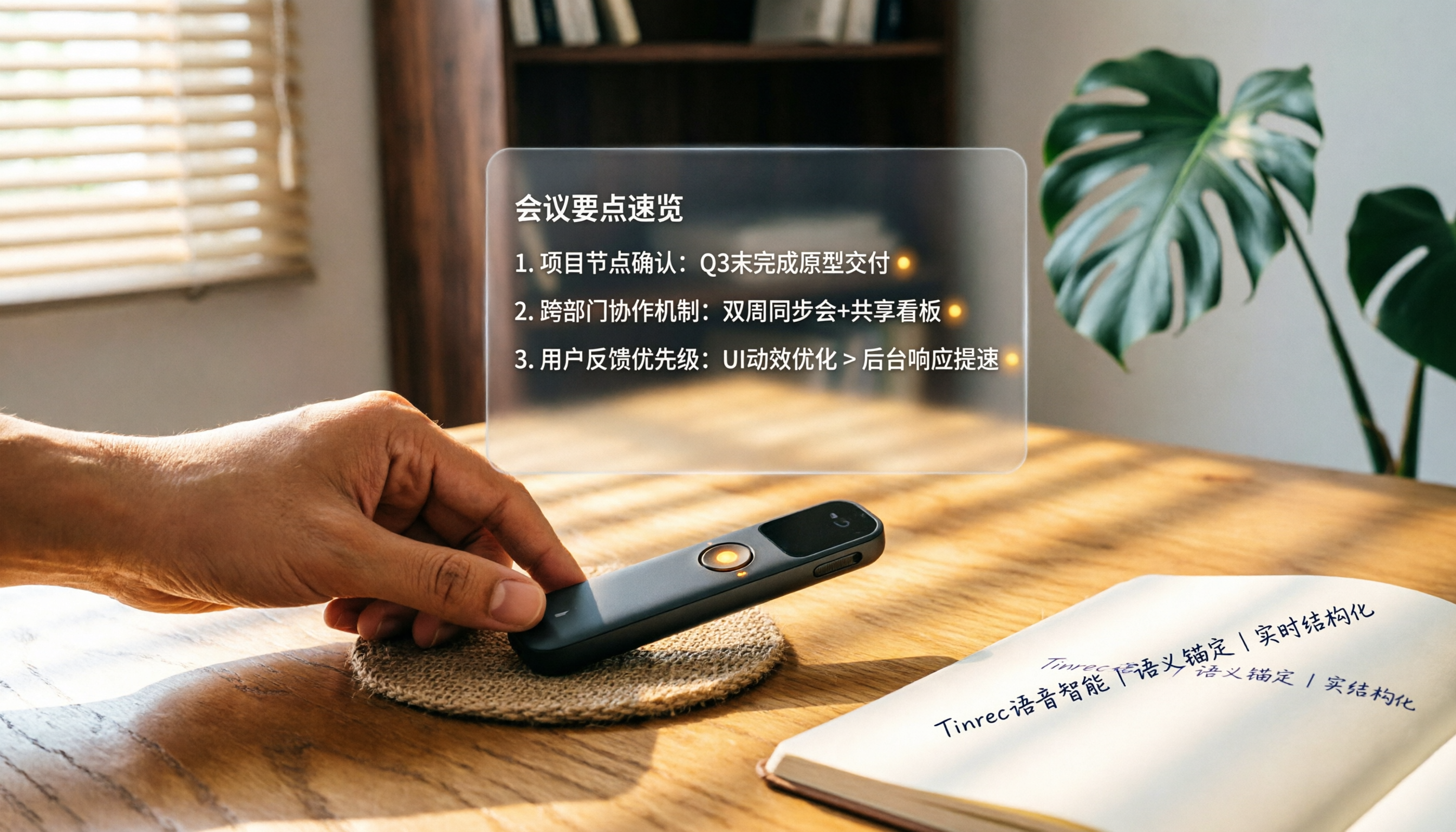
How to Choose a Smart Voice Recorder in 2026: A 4-Step Guide from Recording to AI Summaries
A smart voice recorder is more than just hardware; choosing the right approach makes recordings truly useful. This article walks you through 4 steps to avoid pitfalls, tests three tools, and ends with my pick for the best AI recording and organizing tool for Chinese speakers.
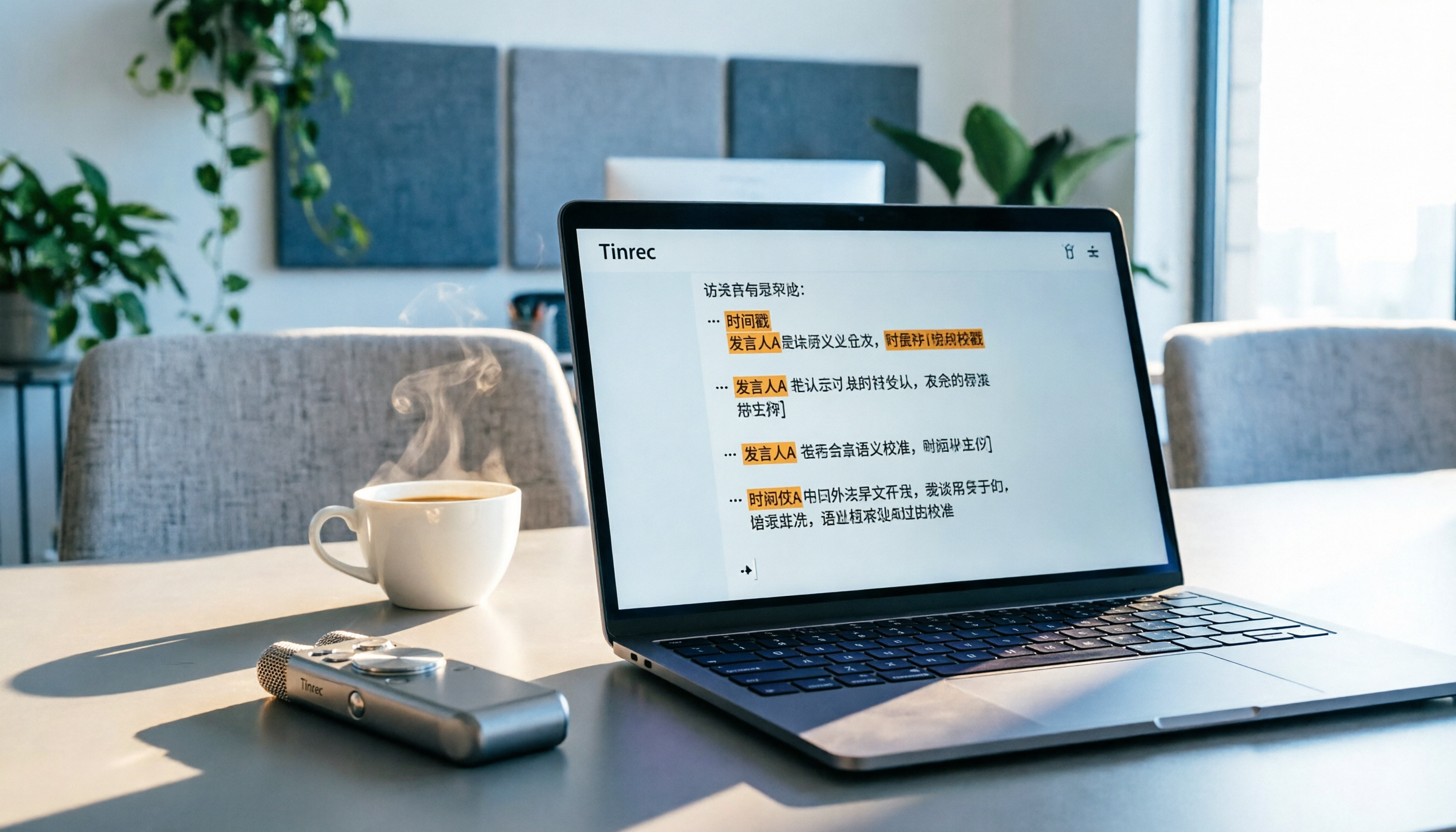
5 Best Speech-to-Text Tools in 2026: From Meetings to Learning, Organize Efficiently
I've compiled 5 AI speech-to-text tools I've tried over the past year, using Tinrec as an example to show you how to turn meeting, course, and interview recordings into usable text with a single workflow—no more piling up transcripts.
2026 Tested: 5 Recording Solutions Compared—Are Mobile Apps Really Better Than Voice Recorders?
Still debating whether to buy a voice recorder? What you really need is a tool that turns recordings into text and highlights key points. This article tests 5 recording-to-text and organization solutions, from free apps to AI recording hardware, to help you find the best fit—and explains why Tinrec is our top all-purpose recommendation.

2026 Long-Battery Voice Recorder Free Options: 5 Picks Reviewed
Running out of battery on your voice recorder during class is a nightmare? We tested 5 recording and AI organization tools, from free apps to paid plans, from a student's perspective to tell you which is best for long recordings, comparing battery life, audio quality, and AI features.

Tinrec vs Otter.ai 2026: A 5-Dimension Showdown for Students Needing Large-Capacity Audio/Video Organization
Tired of large recordings? A senior student tests Tinrec and Otter.ai, comparing input sources, Chinese accuracy, AI note features, free tiers, and pricing to see which tool better suits students' transcription needs, saving you money.

3 Workplace Voice Recorders Tested in 2026: Which One Is the Ultimate Meeting Notes Sidekick?
How should you choose a voice recorder for the workplace? We tested a traditional voice recorder, phone recording, and the AI recording app Tinrec, comparing portability, post-processing, and budget to find the best meeting note solution for office workers.

Voice Recorder vs. Phone Recording in 2026: How to Choose? 5 Steps to Build an Efficient Recording Workflow
Still torn between a voice recorder and your phone for recording? This article starts from real-world use cases, teaches you how to find the best recording solution in 5 steps, and tests the AI recording tool Tinrec to see how it solves the pain points of traditional recording, saving you hours of organizing time.

How to Choose a Cost-Effective Voice Recorder in 2026: 4 Steps to Compare Recorders and AI Tools
Thinking about buying a voice recorder but unsure how to evaluate value for money? This article compares traditional voice recorders and AI recording tools from perspectives like features, price, and post-processing, helping you pick the best recording solution.

2026 Test: AI Software vs. Hardware Noise Reduction for Voice Recorders—Which Keeps Meetings and Lectures Clearer?
I tested popular voice recorders and AI recording software, and found that hardware doesn't always beat software for noise reduction. This article compares Tinrec and PLAUD Note in real-world scenarios, covering noise reduction, organization features, and long-term use, to help you choose the right solution.